



Make-up as an art never began simply to enhance the appearance but to draw courage from what was not mere beauty, but power and protection. Mistaken for mere garb, its long expanse across myriad empires and dynasties has symbolized unyielding power, stretched in strokes of black kohl and rosy rouge, painting a face not just to appease eyes, but to amass attention. However, National Geographic brings attention to something even more fascinating about the beauty rituals of the ancient world, especially when we discover that what people applied extended into what was believed to be medicinal.Ancient Egypt, a civilisation remembered for its elaborate jewellery, striking silhouettes and distinctive eye makeup, offers a fascinating example of how medicine and beliefs about protection could exist alongside one another. The dark, elongated eyes associated with Cleopatra, last ruling queen and pharaoh of the Ptolemaic kingdom of Egypt, has till date caught our attention. With researchers in the last few decades suggesting that certain compounds used in ancient Egyptian eye makeup could have stimulated the body’s immune defenses, a curious conversation between archaeology and modern science has now opened up.
The ancient Egyptian practice of wearing kohl
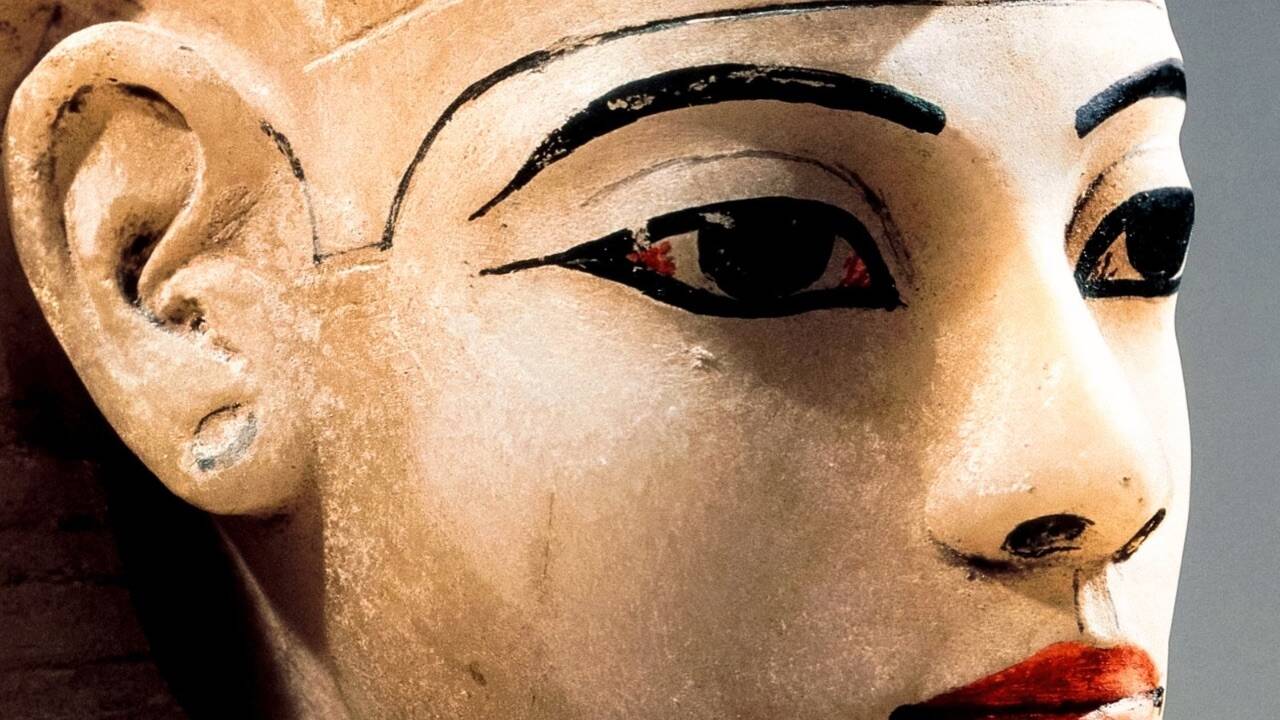
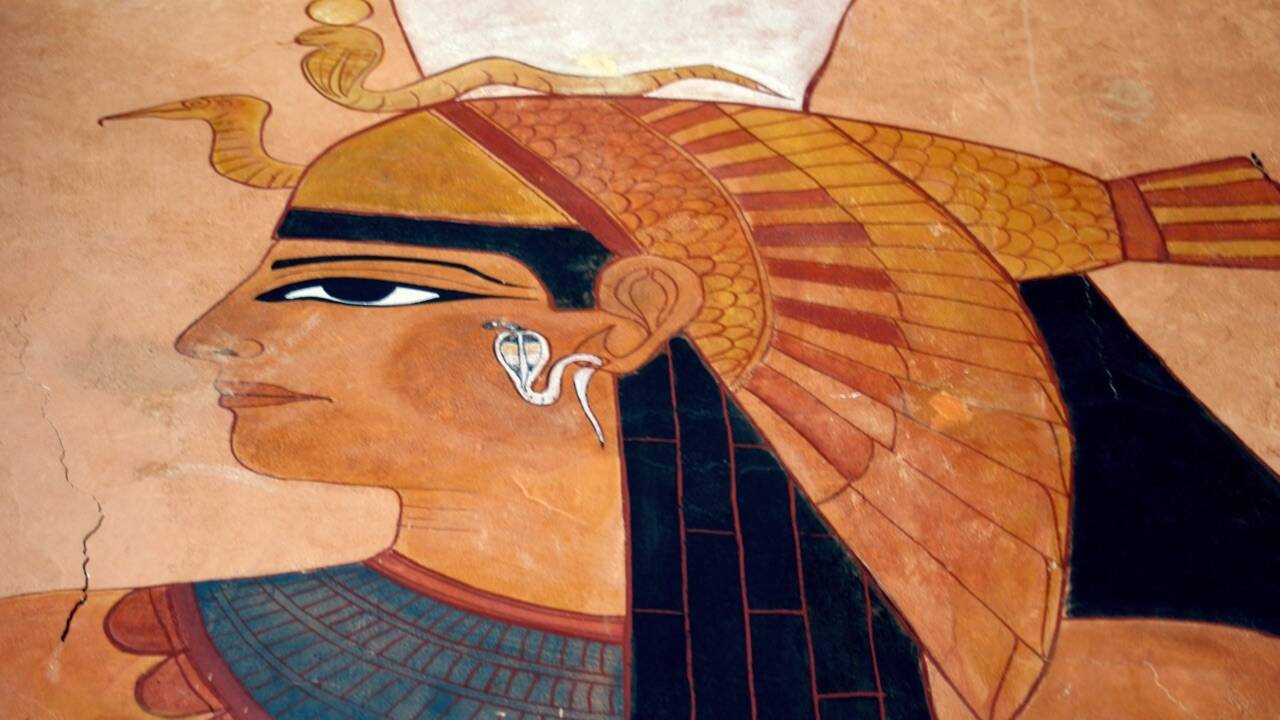
Eye makeup was not an exclusive privilege of Egypt’s queens or ruling elite. Men and women across different levels of Egyptian society wore cosmetics around their eyes, with black and green powders being among the familiar choices. Known as kohl, the dark pigment was used to define the eyes, accentuate their shape and create the distinctive appearance that continues to inspire contemporary beauty trends. Its significance, however, extended beyond aesthetics. Ancient Egyptian beliefs associated the eyes with divine protection, while cosmetics were also thought to protect the wearer against illness and the harsh conditions of the environment.
(Image credit: Canva)
The eye held considerable religious significance in Egyptian culture, with symbols such as the Eye of Horus associated with protection and well-being. Applying makeup could therefore form part of a wider understanding of personal appearance, spiritual protection and health. Historical medical texts also record the use of preparations for eye ailments, suggesting that cosmetics and remedies did not always occupy entirely separate categories in the ancient world.
What scientists discovered in ancient makeup
The possible medicinal properties of Egyptian kohl attracted renewed attention when French researchers investigated its chemical composition. Their research, published in the journal Analytical Chemistry in January 2010, examined the relationship between certain lead compounds found in ancient Egyptian cosmetics and the body’s response to them.Chemical analyses of ancient cosmetic samples had identified several lead-containing ingredients. Two compounds, laurionite and phosgenite, were particularly interesting because they do not occur naturally in the form used in cosmetics and appear to have been deliberately prepared. This raised questions about whether ancient Egyptian cosmetic makers understood something about the properties of the substances they were producing.
(Image credit: Canva)
The research team, including Christian Amatore and colleagues, investigated how these compounds interacted with cells. Their experiments found that very low concentrations of lead ions could stimulate skin cells, known as keratinocytes, to produce nitric oxide. This molecule plays several roles in the body, including helping regulate immune responses and contributing to defences against certain disease-causing microorganisms.The finding possibly offers an insightful explanation for why some ancient cosmetic preparations might have had a medicinal function in addition to a decorative purpose. Rather than establishing that the makeup itself prevented infections in people, however, the study demonstrated a biological response under laboratory conditions. The distinction matters because a reaction observed in cultured cells does not automatically translate into a proven health benefit when a substance is applied to the human body.
Could kohl have helped protect the eyes?
Eye infections would have posed a serious problem in the ancient world, and the Egyptians’ use of eye preparations for health-related purposes makes the researchers’ findings particularly interesting. If certain ingredients encouraged the production of nitric oxide, they might have supported some of the body’s natural defences against bacteria.The researchers estimated that the quantities of the relevant compounds in the makeup could have produced a substantial increase in nitric oxide production. This led them to propose that the substances may have been intentionally prepared for their beneficial properties. However, the question of whether ancient Egyptians consciously understood the underlying chemistry remains unresolved. It is possible that generations of experience informed their practicesThe story of Egyptian eye makeup is, therefore, far more fascinating than beauty hiding a scientific secret. It takes us back thousands of years, reminding us that even something as familiar as the kohl we apply around our eyes can carry echoes of a civilisation’s beliefs, knowledge and ways of looking at the world. While we may never know whether Cleopatra’s kohl actually helped protect her eyes from infections, we certainly know that her striking eyes and the illustrious queen herself continue to leave us in awe of the beauty she once beheld.
About The Author