


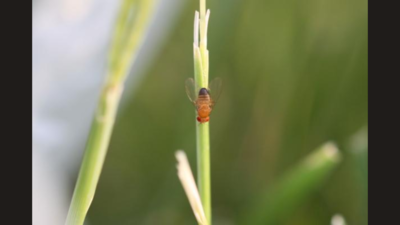
Scientists at the University of Pennsylvania tracked 10 fruit fly populations in outdoor enclosures for four months, documenting rapid genetic changes as the seasons shifted from summer to autumn. The experiment, conducted in Pennsylvania in 2014, found that natural selection influenced genetic variant frequencies at more than 60% of sites across the flies’ genomes, while several physical traits changed in response to environmental conditions. According to the study published in Science, titled ‘Direct observation of adaptive tracking on ecological time scales in Drosophila’, the findings provide direct evidence that evolution can occur continuously over relatively short periods, with the direction of adaptation sometimes reversing as conditions change.
Why did researchers release 1,000 fruit flies into each of 10 outdoor enclosures
The research team established an experimental orchard at Pennovation Works, near the University of Pennsylvania campus. The enclosures allowed the flies to experience natural weather conditions, including temperature changes and rainfall, while preventing other flies from entering or the experimental populations from escaping. This design enabled researchers to follow successive generations descended from the flies originally released into each enclosure.In July 2014, the researchers released 1,000 fruit flies into each of 10 enclosures. The populations subsequently grew to approximately 100,000 flies at their peak. The flies received the same diets but otherwise experienced the outdoor environment. Between July and November, researchers collected samples at monthly intervals to examine physical characteristics and genetic changes. The experiment covered approximately 10 generations, allowing the team to measure evolutionary changes over a relatively short period.
Genetic changes did scientists discover in Pennsylvania’s fruit fly populations
The researchers examined six fitness-associated physical characteristics connected to reproductive output and stress tolerance. These included traits such as development rate and the ability to withstand dry conditions. The team raised collected flies under controlled laboratory conditions to assess inherited differences, while genomic sequencing helped establish how the frequencies of genetic variants changed within the populations over time.The study identified at least 165 independent genomic regions under selection during the experiment. Allele frequencies at more than 60% of genetic variant sites across the genome were shaped in part by selection. These findings indicate that the genetic response extended across a substantial portion of the genome. However, the result does not mean that natural selection independently acted on every affected site. Some genetic variants can change in frequency because they are associated with other variants undergoing selection, a process known as genetic draft.
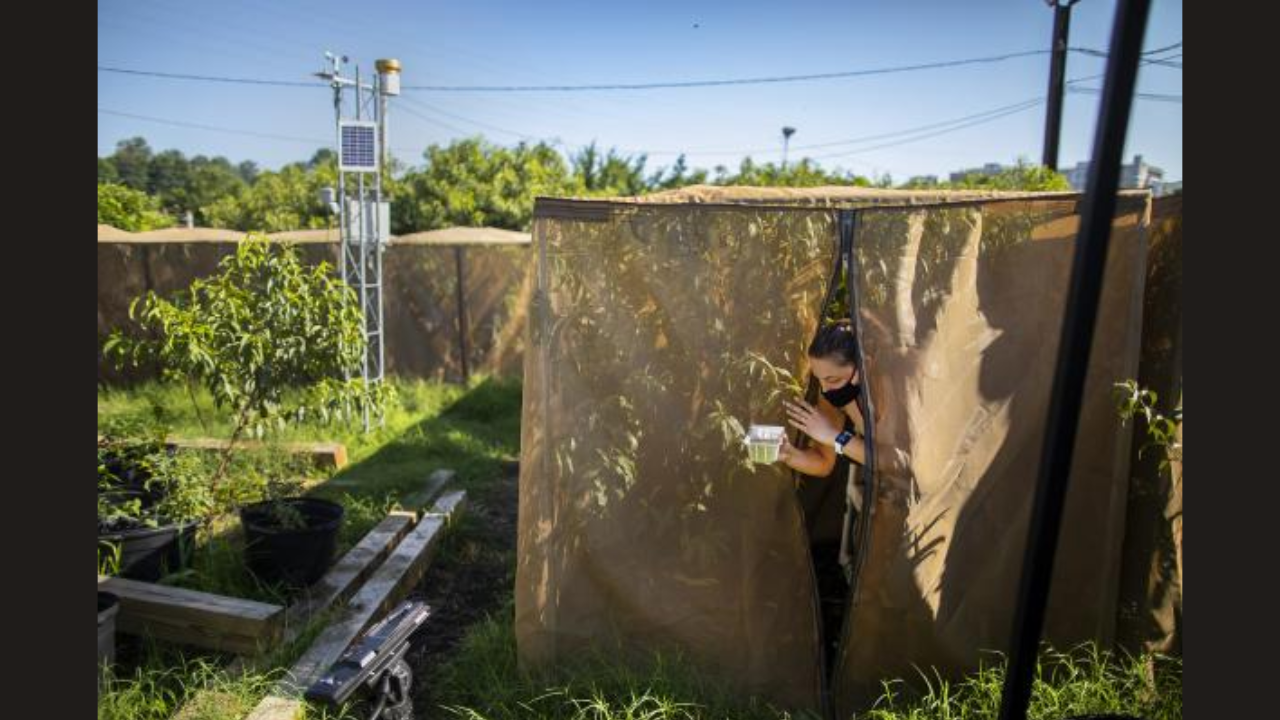
PC; University of Pennsylvania
How did seasonal changes reverse fruit fly evolution
One of the study’s principal findings was that adaptation did not proceed in a single, uninterrupted direction. The researchers observed reversals in the evolution of certain traits over monthly sampling intervals. Development rate, which contributes to reproductive output, and desiccation tolerance, which is associated with resistance to water loss, showed changes in the direction of evolution. Similar patterns appeared in the genomic data, where allele frequencies shifted as environmental conditions changed.As reported by The University of Pennsylvania, senior author Paul Schmidt described the populations’ responses to environmental variation: “The populations were constantly evolving and shifting throughout the entire experiment.” Co-lead author Seth Rudman also highlighted the significance of observing evolutionary changes at short intervals. The research team concluded that repeated measurements were important for revealing changes that might be missed when populations are compared only at two widely separated points in time. The findings demonstrate that adaptation can occur rapidly and fluctuate alongside seasonal environmental change, although further research is needed to establish how widely the same process occurs in other species.
About The Author


