


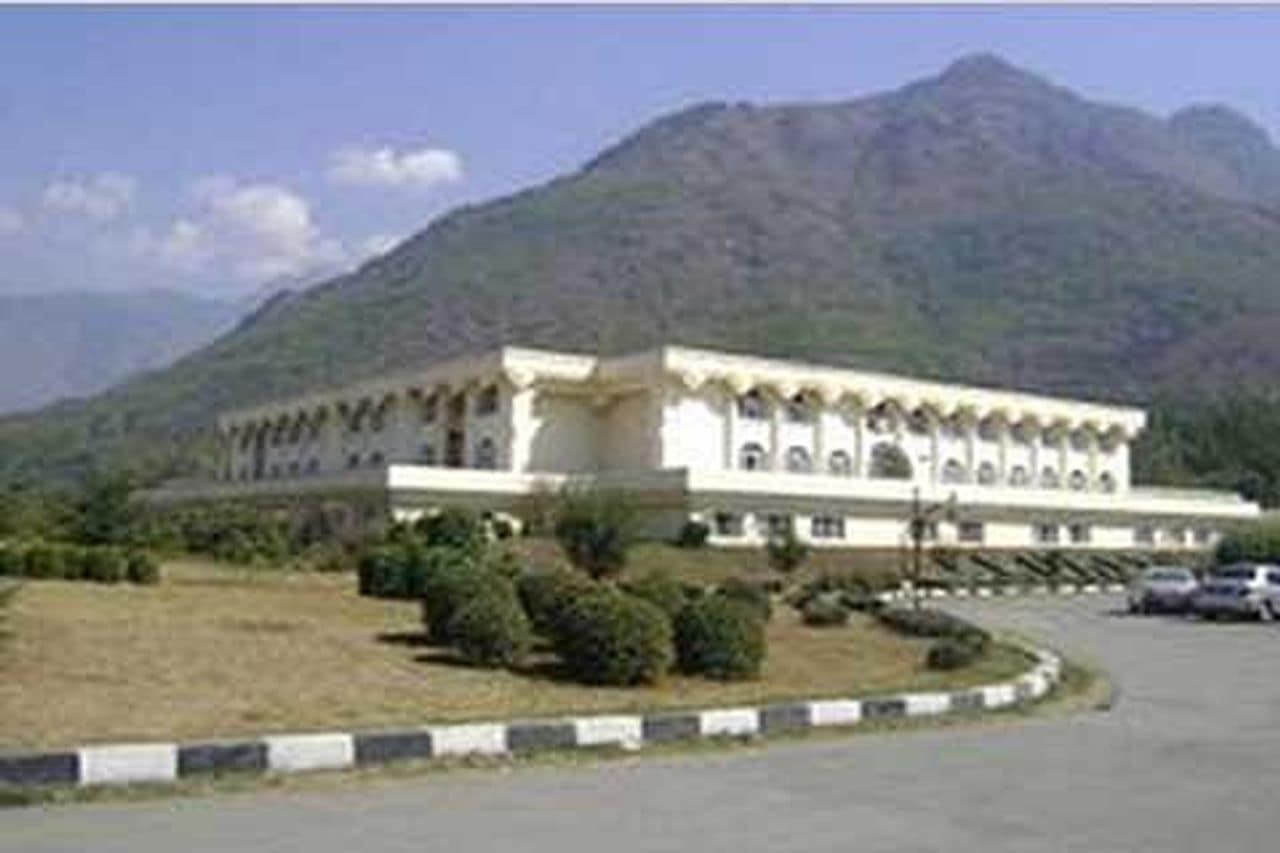

Srinagar, Sep 25: A five-day workshop-cum-national conference on traditional healing practices began at Sher-e-Kashmir University of Agricultural Sciences and Technology of Kashmir (SKUAST-K) on Friday, with experts calling for systematic documentation, recognition and policy support for the country’s traditional healers.
Titled “Himalayan Healers: Non-Codified Healers’ Recognition and Policy,” the programme is being organised by the Faculty of Forestry, SKUAST-K, with support from the Indira Gandhi Rashtriya Manav Sangrahalaya (IGRMS), Ministry of Culture, in collaboration with the Anthropos India Foundation (AIF).
The workshop will continue till September 27, followed by the national conference on September 28 and 29. The inaugural session brought together traditional healers, researchers, academicians, students and faculty members to deliberate on the preservation and transmission of indigenous healing knowledge.
Prof S Naseem Geelani, Organising Secretary and Head, SBS Division, stressed the need to systematically document healers’ knowledge of medicinal plants to prevent its loss and ensure its transmission to future generations.
He also highlighted the link between conservation of medicinal plants and forest resources and the livelihood security of traditional healer communities.
Prof P A Sofi, Head, FPU Division, spoke about the scope and potential of medicinal and aromatic plants (MAPs) in J&K, noting the growing global herbal medicine sector and its dependence on wild resources.
He called for greater collaboration between traditional healers and scientists to validate and authenticate medicinal plants and promote forest-based bio-economy enterprises.
Sunita Reddy, Associate Professor at Jawaharlal Nehru University and Founder-Chairperson of AIF, called for a dedicated policy framework to preserve traditional healing knowledge across the country.
She said such platforms were important for bringing different healing traditions together and facilitating knowledge exchange.
Prof Amitabh Pandey, Director, IGRMS, highlighted the continuing role of traditional healers in communities with limited access to modern healthcare, describing them as important repositories and teachers of indigenous knowledge.
Dean, Faculty of Forestry, Prof A H Mughal, stressed the importance of preserving traditional knowledge and forest wealth.
Chief Guest Prof Raihanna Habib Kanth, Director of Extension, SKUAST-K, underlined the role of traditional healers in preserving cultural heritage.
She called for responsible and ethical practices in efforts to secure formal recognition for traditional healing systems and stronger interaction between healers and scientists to subject traditional practices to research and validation.
The inaugural session concluded with a vote of thanks by Prof P A Khan, Head, FBT Division. SabeenaNabi, Assistant Professor at the Faculty, anchored the programme.
About The Author


