

Shopian, Mar 14: Authorities in south Kashmir’s Shopian district have stepped up efforts to modernise the horticulture sector during the 2025–26 financial year by implementing a series of initiatives under centrally sponsored and Union Territory schemes aimed at boosting orchard productivity and farmers’ incomes.
The horticulture department has focused on expanding farm mechanisation, strengthening irrigation infrastructure and promoting modern plantation techniques to support growers in the district, widely known for its apple production.
Officials said that under the capital expenditure (Capex) programme, the department distributed six power tillers, 25 power weeders and 95 motorised sprayers among orchardists to enhance farm mechanisation.
Additional support was provided under the Sub-Mission on Agricultural Mechanisation (SMAM), with the distribution of seven brush cutters, 12 power-operated sprayers, seven power weeders and two irrigation pumps to facilitate efficient orchard management.
Under the Holistic Agriculture Development Programme (HADP), mechanisation support through Project P9 included the distribution of three power tillers, one tractor-operated sprayer, 22 brush cutters, 10 power-operated sprayers, 29 power weeders, 15 irrigation pump sets, two mini tractors and two wheeled brush cutters, officials said.
Another HADP initiative, Project P13 on Integrated Farming Systems, covered 80 beneficiaries through fruit plant support and provided 71 vermi beds, promoting diversified and sustainable farming practices.
The district also witnessed the introduction of high-density plantation under HADP, covering 1.25 hectares, a move aimed at boosting productivity and farm incomes.
Under the Per Drop More Crop (PDMC) programme, drip irrigation systems were installed over seven hectares, while tubewell construction is being undertaken to improve water-use efficiency and conserve resources, officials said.
They added that farmer capacity building remained a priority under the Agricultural Technology Management Agency (ATMA), with 430 farmers benefiting from training programmes, exposure visits and field demonstrations to promote modern horticultural practices.
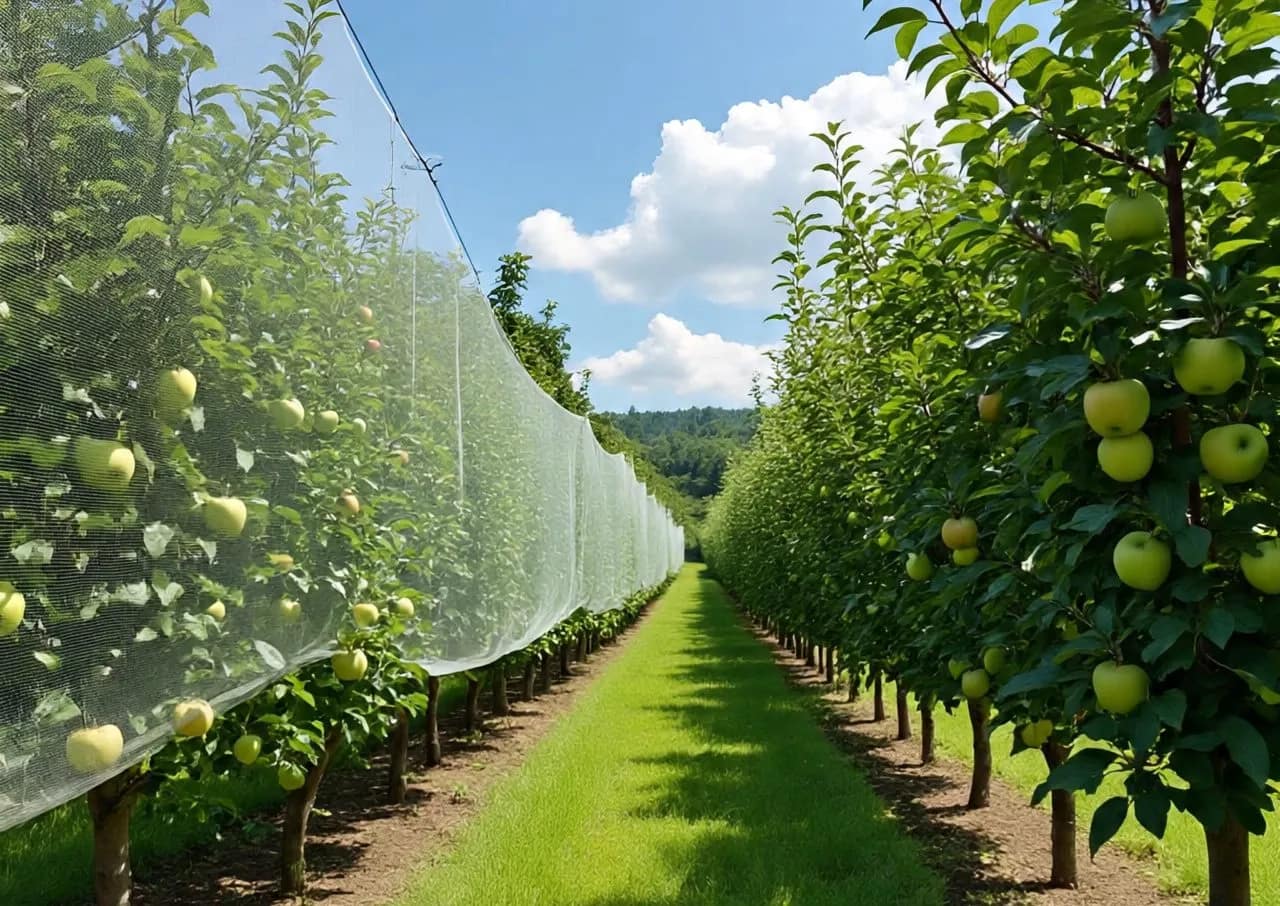
Similarly, under the Mission for Integrated Development of Horticulture (MIDH), 12 vermicompost units were established while 1,080 square metres were brought under polygreen houses. In addition, 10,150 square metres were covered with anti-hail and anti-bird net systems to protect orchards from weather-related damage and improve marketable yield.
The department is also establishing a cherry mother orchard over 0.5 hectares under HADP during the current financial year to ensure the availability of quality grafting material and support the expansion of cherry cultivation in the district.
Meanwhile, around 10,000 apple clonal rootstocks of the M-9 variety are being transplanted at departmental fruit plant nurseries in Zainapora and Haripora for further multiplication, a step expected to strengthen the supply of quality planting material and promote high-density apple plantations.
About The Author