


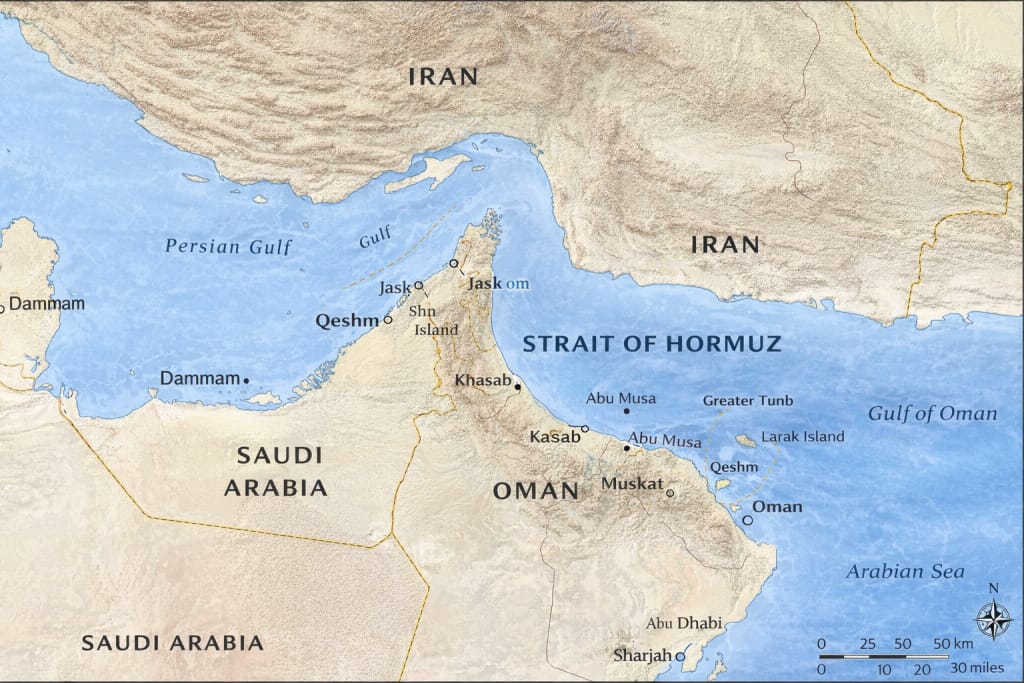
New Delhi, Mar 31: A parliamentary committee in Iran has approved a proposal to impose tolls on shipping through the strategic Strait of Hormuz, signalling a potential escalation in economic pressure amid the ongoing conflict in the region. According to the IRGC-affiliated Fars news agency, a member of parliament’s national security commission confirmed the plan, which would also bar vessels linked to the United States and Israel from transiting the narrow waterway. Countries that have supported sanctions against Iran could also face restrictions.
Separately, Agence France-Presse reported that Iranian state television said the toll system would be implemented in coordination with Oman, which shares control of the vital shipping route.
The Strait of Hormuz, between Iran and Oman, typically carries around 20% of the world’s crude oil. However, maritime intelligence firm Kpler estimates traffic has plunged by roughly 95% since the conflict began. Even as Washington has spoken of ongoing diplomatic engagement, Tehran has firmly denied such claims. Esmaeil Baqaei, spokesperson for Iran’s foreign ministry, said there had been no direct negotiations with US officials during the conflict, the international media reported.
“Iran has had no negotiations with America in these thirty-one days,” Baqaei said in an online statement, referring to the duration of the war. “Our position is very clear. At present, as America’s military aggression and invasion continue with full intensity, all our efforts and capabilities are devoted to defending Iran’s essence,” he said, adding that Tehran had not forgotten what he described as past “betrayals” of diplomacy, BBC and international media reported.
The disruption in Hormuz is already reverberating through the global economy. The International Monetary Fund has warned that the conflict is driving up energy prices and slowing global growth. In a recent analysis, IMF economists said “all roads lead to higher prices and slower growth,” with the ultimate impact depending on how long the conflict lasts and how far it spreads. The IMF noted that disruptions linked to Strait of Hormuz could be removing up to 20 million barrels of oil per day from global markets. Major energy importers in Asia and Europe are bearing the brunt of rising costs, while several countries in Asia and Africa are struggling to secure supplies even at elevated prices. The IMF also warned of knock-on effects on food and fertiliser prices, raising the risk of food insecurity in vulnerable economies.
About The Author


