
loader image
24.2 C
Jammu
Saturday, September 26, 2026
Advertisement
Home Blog

Katra-Kulgam road project to ensure shortest Jammu-Srinagar route


highway 2026 04 30 00 11 19

Detailed Project Report (DPR) preparation for an ambitious and strategically crucial Katra-Kulgam road project, which once completed will provide the shortest route between Srinagar and Jammu, is currently underway.

Following a go-ahead by the Union Ministry of Road, Transport and Highway (MoRTH), the National Highways Authority of India (NHAI) had invited bids from consultancy firms to prepare DPR for this proposal in May this year, thus marking commencement of planning, feasibility, alignment and all related aspects.

The project, with an estimated cost of Rs 20,000 Cr, may take 5-7 years for its completion.

As per e-procurement portal, categorised as an open consultancy tender for DPR preparation, it (tender) was issued by NHAI regional office under reference number JKDIV/14/2025-NHAI-RO Jammu/E 290669.

Technical bids for DPR tender for this proposed 4-laning of Katra-Reasi-Mahore-Gulabgarh-Nandimarg-Kulgam were opened in June, 2026.

“This project will be basically an extension of the ongoing Katra-Jammu-Amritsar-Delhi Expressway to Srinagar. Under this project, we’re planning to smooth out the Reasi-Mahore route. Beyond it, between Mahore and Nandimarg, there will be a long tunnel of around 7-8 kms (as part of Katra-Kulgam axis) to reach Kulgam. From Kulgam, the corridor will touch the existing National Highway (NH-44) to Srinagar,” shared National Highways Authority of India (NHAI) project director Jammu, Rajiv Kumar, while responding to Greater Kashmir queries.

“This proposed road project is currently under Detailed Project Report (DPR) preparation. Once developed, Katra-Kulgam corridor is expected to provide the shortest road connectivity to the Kashmir valley from the Jammu side. The distance between Jammu to Srinagar, through this axis, will be between 180 to 190 kms,” he informed.

When asked about further details about the proposed corridor, Rajiv Kumar maintained that the project was currently in a very nascent stage.

“So far, we have only marked an alignment as for its DPR, we have got a go ahead from the MoRTH. The details about the number of tunnels, viaducts and their length will be available only, once DPR is finally ready. The 67-km Reasi-Mahore road stretch will be reduced to 30-35 kms. Since it has many gradients, two to three tunnels and 2-3 viaducts will be introduced at this axis. From Mahore to Kulgam, the distance is hardly 45-kms,” NHAI project director Jammu stated.

“The proposed Katra-Kulgam road project is currently under Detailed Project Report (DPR) preparation. Once developed, the corridor is expected to provide the shortest road connectivity to the Kashmir valley from the Jammu side,” it was stated.

The corridor, bypassing landslide-prone Ramban stretch, once completed, is also likely to improve connectivity access for Vaishnodevi pilgrims in Reasi district as well.

Separately, six tunnels on various highway projects (on NH-44) in Jammu and Kashmir are expected to be completed in the coming year, further strengthening all-weather connectivity in the region. Four-laning of the existing National Highway-44 (NH-44) -a key connectivity corridor- is nearing completion, with around 15 km remaining to be four-laned.

The use of tunnels on the highway corridor has already reduced the road distance to Srinagar by around 45 km and saved more than an hour of travel time. The earlier road distance was around 300 km.

A total of 22 projects with a combined length of 382 km have been completed at a cost of Rs 14,819 Cr, while 16 projects covering 320 km are under implementation at an estimated cost of Rs 22,277 Cr.


Source link

‘Accidental minister’ humiliating MLAs by ignoring development proposals: Sajad Lone


sajad lone 2026 09 24 12 49 23

Srinagar, Sep 24: Peoples Conference MLA from Handwara, Sajad Gani Lone Thursday accused an ‘accidental minister’ of humiliating elected legislators by rejecting or ignoring their proposals for developmental works and warned that he would not allow projects to be executed if the concerns of MLAs were not taken seriously.

Speaking during the Zero Hour session of the Legislative Assembly, Lone questioned whether an elected MLA had the privilege to propose developmental works in his constituency or whether such proposals could be rejected at the discretion of a minister.

“If I, as MLA, representative of Handwara Assembly, write that I have to do this, is that privilege of mine or the minister’s?” Lone asked the House.

He said he had submitted a list of roads and other schemes but was told they would not be taken up, calling the situation a matter of privilege, raising questions over the sanctity of the Assembly.

Lone said the Assembly had existed for decades and its institutional authority should not be undermined.

“What has been happening in history for the last 70 years cannot be undone because accidentally the person has become a minister,” he said.

The Handwara MLA, who has also served as a minister during previous PDP led government, said that elected representatives should not be treated as subordinate to ministers when it comes to deciding development priorities in their constituencies.

He urged the Speaker of the Assembly to protect the sanctity of the institution and sought an assurance on what action would be taken if there was a breach of privilege.

“If today there is a breach of privilege, what will you do? What will be your action?” he asked the Speaker.

Lone said MLAs had limited options if their concerns were ignored, including approaching the Lieutenant Governor or the Centre, but said that the Assembly itself should remain the primary institution for raising such issues.

“Our sanctity is here. I urge you (Speaker) to save the sanctity of this institution,” he added.

He also questioned the basis on which funds for developmental works were being allocated, saying such funds did not belong to individual ministers but were allotted and released by the government.

“These accidental ministers, for God’s sake, go and explain to them that this is not money from your house, this money has come from the government,” Lone said.

He said that legislators had fought elections and, within the framework of law, should have a say in deciding how funds were to be spent in their constituencies.

Lone further warned that he would not remain silent if elected representatives were allegedly being sidelined.

“If they think they will walk over us, the question doesn’t arise. Our work will also be done, we will not let anything happen. I promise you this here,” he said in the House.

Lone also sought support from other legislators, including National Conference members, over the issue.

“I put the onus on the Assembly authorities to clarify what action would be taken in the event of a future breach of privilege. I expect an answer on the matter for you sir (Speaker),” he added.


Source link

Cancer deaths worse than Covid: Waheed Parra


parra 2026 09 24 17 14 19

Srinagar, Sep 24: Peoples Democratic Party (PDP) MLA Waheed Ur Rehman Parra Thursday raised alarm over the reported rise in cancer cases in Jammu and Kashmir.

Speaking while moving a calling attention motion in the Legislative Assembly, Parra described the situation as “worse than Covid” and called for a comprehensive, multi-departmental response to tackle the growing health concern.

He said the issue was not confined to any single department and required the government to examine multiple possible factors behind the rising cancer burden.

“My concern regarding this motion is slightly broader, not just one department subject. As a population, J&K is dying,” Parra said.

He said that the situation needed to be taken seriously.

Citing figures he attributed to the Indian Council of Medical Research (ICMR), Parra said around 70,000 cancer cases had been reported over five years, while referring to figures presented by the minister indicating around 32,000 cases during the last three years.

He said the government needed to identify what was causing the deaths, pointing to pesticides, food habits and water among the possible factors requiring investigation.

Parra cited the example of a village in Pulwama, saying he had been told during a condolence visit that around 10 people from the area had died due to cancer.

“Whenever we go to condolence gatherings, everywhere people tell us that more than cancer, more than corona, people are dying because of cancer in Jammu and Kashmir today,” he said.

He also referred to cancer fatality figures, claiming that while the fatality rate across the country was around two per cent, the rate in Jammu and Kashmir was around 1.1 per cent.

Parra warned that the issue could have serious long-term consequences if not addressed urgently.

“We will be wiping out slowly. So many people are dying. Government has to take it seriously,” he said.

Drawing a comparison with the Covid-19 response, he said the government had then responded swiftly by declaring a health emergency, whereas cancer required a similarly serious and coordinated approach.

“It was declared as a health emergency,” Parra said.

He sought a response from the Health and Medical Education, Agriculture and Horticulture departments rather than leaving the issue to the Health Department alone.

He also highlighted gaps in diagnostic facilities, saying patients were often required to travel outside their districts for PET scans, CT scans and MRI examinations.

“PET scans are needed. CT scans are needed. MRIs are needed. They are not available at district level,” he said.

He added that patients were forced to travel and incur additional expenditure.

Parra urged the government to prepare a comprehensive roadmap to address the cancer burden in Jammu and Kashmir and sought coordinated action to examine the possible environmental, agricultural and lifestyle factors involved.

While replying to the calling attention, minister for agriculture Javid Ahmad Dar acknowledged the seriousness of the issue saying the consultations had already been held with the Health and Education Ministers on preparing a standard operating procedure.

“The health and agriculture departments would have to work together to formulate a comprehensive policy on the issue,” he said.

Dar further informed the House that professors and scientists would be involved in preparing the policy and examining the concerns raised over cancer and possible links with pesticides and other factors.

“The issue is a serious concern for the entire House and the people of Jammu and Kashmir. Steps would be taken to address it,” he added.

Speaker J&K Legislative Assembly also intervened and asked the minister that government needs to take some urgent measures with regard to the issue.


Source link

A Pennsylvania landowner bought his homestead in 1988; decades later, he protected 230 acres of forest, ponds and wetlands forever |


A Pennsylvania landowner bought his homestead in 1988; decades later, he protected 230 acres of forest, ponds and wetlands forever
Allen Jones and NPC Land Steward Sara Schlesinger at the Stillwater conservation easement, marking a shared commitment to conservation. Image Credit: Northcentral Pennsylvania Conservancy (NPC)

The Northcentral Pennsylvania Conservancy has helped place 230 acres of forest, ponds and wetlands along the Snyder-Mifflin county line under permanent conservation protection. The land, known as Stillwater, belongs to Allen Jones, who first bought the property as his homestead in 1988. Over the decades, his connection with the area grew as he acquired surrounding acreage and worked to restore its woodland and wildlife habitat. In January 2026, Jones donated a conservation easement to the Northcentral Pennsylvania Conservancy, ensuring that the land he spent years caring for will remain protected for the future.

The 230-acre forest became a long-term project for Pennsylvania’s landowner

Jones’s relationship with the land began well before he became its owner. According to the Northcentral Pennsylvania Conservancy, he grew up in Snyder County and spent much of his childhood exploring the woods, observing wildlife and becoming familiar with the natural rhythms of the area. While other students concentrated on farming during their high school agricultural classes, Jones focused on wildlife habitat.He bought the land for his homestead in 1988. In later years, he was able to acquire additional surrounding acreage, including the forest where he had harvested(hunted) his first deer when he was 12 years old.As the property grew, so did his plans for it. The landowner wanted the area to provide a place where people could hike and hunt, children could explore nature, birds could stop during migration and wildlife could move through a healthy forest. The Northcentral Pennsylvania Conservancy says this wider vision eventually shaped the way Jones managed the property.

Years of careful work changed the condition of the woodland

The restoration of Stillwater was not a short-term effort. Jones worked with a forester to create a Forest Management Plan and spent more than a decade addressing the effects of heavy logging that had taken place on the property.One part of that work involved controlling invasive plants, including stilt grass, which can interfere with the growth of native vegetation. Jones also created areas where new trees could develop and planted native species such as oak and maple.The forest was managed with wildlife in mind as well. Fallen logs and brush were deliberately left on the ground to provide cover for animals and help protect young seedlings. Deer numbers were monitored to make sure the woodland could regenerate.Jones also established a nut orchard containing almond, American chestnut, hazelnut and pawpaw trees. These trees added another source of food and habitat to the property. According to NPC, maintaining the land required patience and persistence, but the work helped create a more resilient forest.

Years of careful work changed the condition of the woodland

Stillwater has ponds and wetlands that is the home of wood frogs and other amphibians. Springs flow from the nearby Bald Eagle State Forest through the property leading to Jack’s Creek, a state-designated Cold Water Fishery, that connects to the Juniata and Susquehanna Rivers. Image Credit: Northcentral Pennsylvania Conservancy (NPC)

What makes Stillwater more than just a forest

Water is another defining feature of the property. NPC named the land Stillwater because of its many ponds and wetlands, which form an important part of the landscape.Springs flow from neighbouring Bald Eagle State Forest through Stillwater before reaching Jack’s Creek. NPC notes that the creek is a state-designated Cold Water Fishery and eventually connects with the Juniata and Susquehanna Rivers.The ponds and wetlands also support wildlife. Wood frogs and other amphibians use these wet areas, while 40 bluebird houses and several wood duck nesting boxes provide places for birds to nest. The property has also become a place where local youth groups can explore vernal pools during spring, giving younger people an opportunity to experience the natural environment directly.

The conservation easement carries the work into the future

After years of managing and restoring Stillwater, Jones decided that protecting the property permanently was the next step. The Northcentral Pennsylvania Conservancy reports that he eventually contacted NPC Land Steward Sara Schlesinger after researching conservation options.Their shared interest in hunting and the outdoors helped turn the initial discussion into a partnership. In January 2026, NPC announced that it had accepted the donation of a 230-acre conservation easement covering land in Snyder and Mifflin Counties.A conservation easement allows land to remain privately owned while placing lasting protections on its natural features. In this case, the agreement reflects Jones’s intention to preserve the results of decades of work instead of simply leaving the property’s future to chance.NPC is a regional land trust working across 12 counties to conserve and enhance land and water. The organisation said its members and donors make it possible to work with landowners on projects such as Stillwater. NPC also reports that it has now helped conserve more than 12,000 acres across its 12-county service area. Stillwater adds another 230 acres to that wider effort.


Source link

Kangan MLA Mian Mehar seeks Degree College for Gund, Sports infrastructure upgrade in Sonamarg


mian mehar kangan 2026 09 25 07 02 16

National Conference (NC) Member of Legislative Assembly (MLA) for Kangan, Mian Mehar Ali, strongly advocated for key developmental, youth, and welfare needs of his constituency.

Speaking in the Assembly, Mian Mehar urged the administration to address long-standing infrastructural gaps, boost winter sports, and ensure quality facilities for marginalised students.

Highlighting higher education challenges in the upper reaches of Ganderbal district, Mian Mehar pressed the government to establish a Government Degree College at Tehsil Gund. He emphasised that hundreds of students particularly young women from remote areas face severe inconvenience commuting daily to far-off institutions for higher studies. Setting up a degree college in Gund would bring accessible higher education directly to the local youth.

He said that the land has been identified for the college and other formalities have been processed. He urged the Education Minister Sakina Itoo to consider the demand and sanction whenever there is proposal to open new colleges. Turning attention to tourism and youth empowerment, the Kangan lawmaker demanded a strategic overhaul of sports infrastructure in Sonamarg. While Sonamarg remains a high-potential tourist hub, Mian Mehar noted that sports activities—especially winter sports like skiing and snow sports—require modern equipment, winter sports facilities, and infrastructure.

He urged the Sports Department to upgrade infrastructure to promote local talent and position Sonamarg as a year-round sports destination at par with Gulmarg.

Expressing strong concern over the welfare of tribal students, Mian Mehar raised the critical issue of outsourcing mess and catering services at Gujjar & Bakerwal Hostels. Demanding strict monitoring and a structural review of the outsourcing mechanism, the MLA urged the government to ensure that the tribal students in these hostels don’t face any hardships.

Mian Mehar also demanded an horticulture office at Gund and sought the intervention of Agriculture Minister Javid Ahmad Dar.


Source link

NASA astronaut John Young carried a corned beef sandwich hidden in his spacesuit aboard Gemini III in 1965; rye crumbs floated through the cabin, and it became a $30 million problem for NASA |


NASA astronaut John Young carried a corned beef sandwich hidden in his spacesuit aboard Gemini III in 1965; rye crumbs floated through the cabin, and it became a $30 million problem for NASA
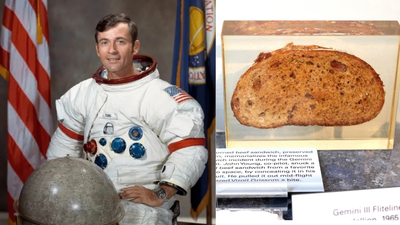
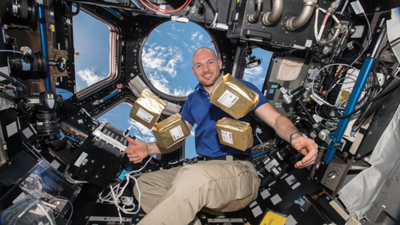
John Young and the preserved corned-beef sandwich displayed at the Grissom Memorial Museum in Indiana.

NASA astronaut John W. Young secretly carried a freshly made corned-beef sandwich on rye into space during the Gemini III mission on March 23, 1965, hiding it in a pocket of his spacesuit. Nearly two hours into the flight, Young pulled it out and offered some to commander Virgil ‘Gus’ Grissom. The rye bread quickly crumbled, sending pieces floating inside the cabin and raising concerns about debris getting into equipment or an astronaut’s eyes. What began as a practical joke soon became a serious issue back on Earth. The episode reached a US House appropriations hearing, where the sandwich was mocked in the press as the ‘$30 million sandwich’, a reference to the estimated $30 million cost of the Gemini III mission. NASA subsequently tightened rules on what astronauts could take aboard spacecraft.

Why NASA astronaut John Young brought a sandwich into space

Gemini III was the first crewed mission of NASA’s Gemini programme and the first US spaceflight to carry two astronauts. Young served as pilot, while Grissom was the command pilot. The mission launched on March 23, 1965, and lasted about 4 hours and 52 minutes, completing three orbits of Earth. One of the mission’s secondary objectives was to evaluate NASA’s newly developed space-food system. The astronauts had practised eating specially prepared meals that were freeze-dried or otherwise packaged so they could be rehydrated and consumed in microgravity. The food was functional, but it was not particularly popular with the astronauts. Young later explained that Grissom had become bored with the food they had been eating during training. The idea of bringing a conventional sandwich into space therefore seemed amusing. Fellow astronaut Walter ‘Wally’ Schirra, who was the backup command pilot for Gemini III, bought a corned-beef sandwich from a restaurant in Cocoa Beach, Florida. Young then slipped it into a pocket of his pressure suit before launch.

The sandwich appeared nearly two hours into the flight

The sandwich remained hidden until Young began the mission’s food and waste evaluation roughly two hours after launch. He pulled it from his spacesuit and offered it to Grissom. According to NASA’s account of the flight, Grissom asked Young what it was and where it came from. Young acknowledged that he had brought it with him and suggested that they see how it tasted. Grissom took a bite, but the sandwich immediately demonstrated why conventional bread was unsuitable for a spacecraft. The rye bread began breaking apart, with crumbs floating around the cabin. Grissom put the unfinished sandwich into his own spacesuit pocket in an attempt to keep the crumbs contained. NASA says the exchange lasted less than a minute. There was also the smell. Contemporary accounts describe the strong aroma of corned beef filling the small spacecraft. NASA’s historical record notes that Grissom was surprised by the sandwich and its pungent smell.

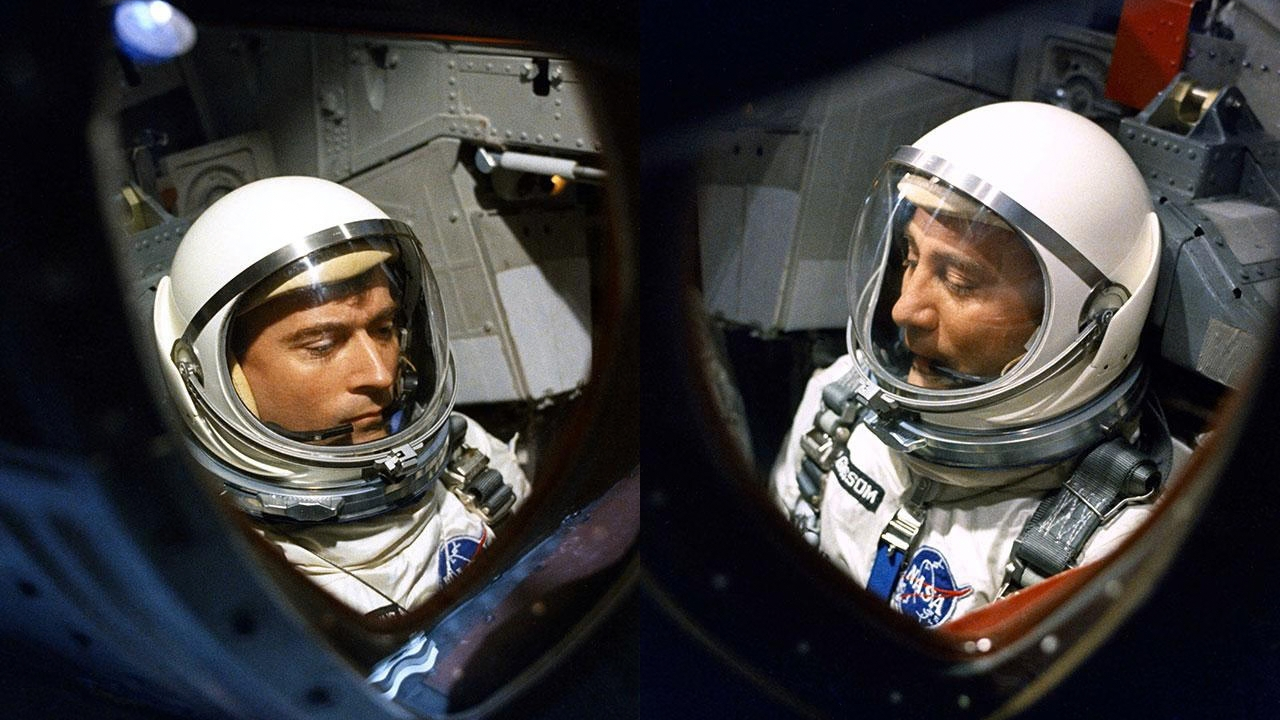
<br>John Young and Gus Grissom before the Gemini III flight.

John Young and Gus Grissom before the Gemini III flight.

Why a few crumbs became a serious problem

The incident may sound trivial today, but loose food particles could create genuine problems inside a spacecraft. The Gemini cabin contained instruments, switches and other equipment that had to function reliably. Floating crumbs could potentially become lodged behind instrument panels or interfere with equipment. They could also get into an astronaut’s eyes. NASA’s historical account specifically notes these concerns. The approved Gemini food system had been designed partly to avoid this problem. Food was packaged in ways that reduced loose particles, while some items were coated or compressed to make them easier to handle in microgravity. The sandwich therefore provided an accidental demonstration of why NASA had been so careful about space-food design. Importantly, NASA says the sandwich did not damage the spacecraft or disrupt the mission’s experiments. The agency’s later historical account states that there was no detriment to the experimental programme or the actual conduct of Gemini III because of the sandwich.

The ‘$30 million sandwich’ reached Congress

The story became much bigger after Gemini III returned to Earth. At a post-flight press conference in Cocoa Beach, reporters asked Young about the sandwich, and the incident soon attracted the attention of lawmakers during hearings on NASA’s 1966 budget. Representative George E. Shipley of Illinois criticised the decision to bring an unauthorised sandwich aboard the spacecraft, comparing the tightly controlled cabin to a surgeon’s operating room. NASA Associate Administrator George Mueller told the House Committee on Appropriations that the agency had taken steps to prevent another corned-beef sandwich from being carried on a future mission.The famous ‘$30 million sandwich’ nickname came from the estimated cost of the Gemini III mission, not from the value of the food. Young later recalled that some members of Congress believed the astronauts had brought the sandwich into a mission that was specifically supposed to evaluate approved space food, raising concerns that the stunt could undermine an extremely expensive government-funded programme. One committee member therefore used the ‘$30 million’ figure to highlight the disproportion between the cheap sandwich and the enormous cost of the mission. NASA’s official history cites the Evening Star headline “$30 Million Sandwich”: House Doesn’t Relish Astronauts’ Snack, published on April 15, 1965.NASA subsequently tightened its rules. Beginning with Gemini IV, astronauts were required to provide lists of items they intended to take aboard, and sandwiches were specifically prohibited.

NASA banned sandwiches, but Young’s career continued

The sandwich episode had a practical consequence. Beginning with Gemini IV, NASA required crews to provide a list of items they intended to take aboard their spacecraft. Sandwiches were specifically prohibited, along with certain bulky, heavy or metallic objects that could interfere with spacecraft equipment. Astronauts could still carry approved personal items in their personal preference kits.Young did not receive a formal reprimand, although NASA made clear that officials and lawmakers were unhappy with the stunt. Other astronauts were advised not to repeat similar pranks. The incident ultimately became a tiny footnote in Young’s extraordinary career. He went on to fly six space missions, including two Gemini flights, two Apollo missions and two Space Shuttle missions. He commanded STS-1, the first Space Shuttle mission, and served as chief of NASA’s Astronaut Office for 13 years.The irony continued decades later. NASA eventually became more accommodating of sandwiches and bread-based foods in space. During Apollo 13, astronauts had bread and sandwich fillings available, although NASA had developed much better food systems by then.The Gemini III sandwich itself became part of spaceflight folklore. A replica preserved in resin has been displayed at the Grissom Memorial Museum in Mitchell, Indiana, commemorating the snack that briefly became one of NASA’s strangest controversies.


Source link

J&K Vocational Trainers begin 3-day strike


strike

Vocational trainers working in government schools across Jammu and Kashmir on Thursday began a three-day strike, demanding a comprehensive job policy, removal of outsourcing companies, salary revision and service benefits.

The trainers, protesting under the banner of the Jammu and Kashmir Vocational Trainers Welfare Association (JKVTWA), assembled near SK Park in Srinagar, raising slogans and carrying placards highlighting their long-pending demands. Banners reading “Invest in Teachers, Not Companies” and “Remove Vocational Trainers’ Partners” were displayed during the protest.

The protesting trainers said they have been serving in the education sector for nearly nine to ten years, many of them in far-flung areas, but continue to work without a clear service policy or employment security.

“We have been teaching students since 2016, often in remote schools, but even today we have no job policy, no service rules and no assurance about our future,” a protesting vocational trainer said.

“Many of us have crossed the age limit for other government jobs. This profession is our only source of livelihood, yet it feels as though an axe is hanging over our heads every day,” said another aggrieved trainer.

The protesters alleged that outsourcing companies engaged in the programme have become a source of harassment and demanded that the government remove the middlemen from the system.

“Our biggest demand is the removal of outsourcing companies. The government should invest directly in teachers instead of private agencies. These companies have only created uncertainty and hardship for us,” the protesting VTs said.

They also said their salaries have remained unchanged for nearly a decade despite rising living costs and claimed they have been deprived of benefits such as provident fund and other service-related entitlements.

The trainers said recommendations regarding their issues had already been sought from Chief Education Officers, principals and headmasters and submitted to the government, but no action had followed.


Source link

Iran suggests deal to reopen the Strait of Hormuz in 7 days


Iran suggests deal to reopen the Strait of Hormuz in 7 days

Dubai, Sep 25: Iran has offered to reopen the Strait of Hormuz and resume talks on its nuclear programme in seven days if the United States lifts its naval blockade, waives sanctions on Iranian oil sales and observes a ceasefire that would include Lebanon.

Iran’s Foreign Minister Abbas Araghchi detailed the proposal in a private gathering on Thursday on the sidelines of the UN General Assembly in New York, according to one attendee.

Trita Parsi, executive vice president of the Quincy Institute think tank, who attended, said Araghchi suggested that a speedy agreement would help US President Donald Trump ahead of November’s midterm elections.

There was no immediate comment from Iran’s UN mission or other Iranian officials.

The proposal strongly resembles the so-called Memorandum of Understanding reached in June, but with an accelerated timetable. The earlier agreement, which had called for a 60-day interim period, quickly collapsed as Iran resumed attacks on shipping in the strait.

Trump has said he is in no rush to reach a deal, even as high oil prices fuel inflation and exacerbate cost of living concerns. On the Iranian side, there are questions as to whether the hard-liners who dominate the security forces will accept compromises championed by relative moderates, like President Masoud Pezeshkian.

“If Trump calculates this arrangement is worthwhile and can bring political benefit before the midterms and reduce gas prices, perhaps we’ll see flexibility not seen in previous weeks,” Parsi said. But he noted “deep suspicion,” especially around the prospect of Iran merely buying time to get out more of its oil and ease its economic pain.

In the latest sign of diplomatic movement, Pezeshkian hosted the prime minister of Qatar early Friday. Qatar has served as a key mediator, including during hours of indirect Iranian-US talks at the UN this week.

It was not clear how long Pezeshkian and Araghchi would stay in the US after Pezeshkian addressed the annual UN gathering of world leaders on Wednesday.

US Secretary of State Marco Rubio said Wednesday that “if there’s an opportunity to exchange ideas and messages, we will.” (AP)


Source link

National policy on children's digital media use, smartphone ban in schools need of hour: Report


New Delhi, Sep 25: A report by the Centre for Legal Action and Behaviour Change has demanded a national-level policy regulating the use of digital media by children, including a ban on smartphones in schools and age-restricted access to online spaces.

The report, ‘Prevention By Design: From Voluntary Self-Regulation to a State Duty of Care’, also suggests that legal obligations and penalties should be attached to digital platforms, never to the child or parent.

The report was launched at a side event of the United Nations General Assembly in New York on “Responsible AI and Safe Digital Spaces for Children”, organised by Athena Infonomics and Just Rights for Children (JRC).

The study compared age-based restrictions on the use of digital media in more than 40 countries and school smartphone policies in 110 countries, a JRC statement said.

According to the report, child protection has moved from being a matter of self-regulation by platforms to a “binding legal obligation of the state”.

To tackle the issue on one front, the report strongly supports national bright-line restrictions on smartphones in schools. A bright-line restriction is a clearly defined, objective standard that establishes a fixed legal boundary with no room for flexible interpretation, the statement said.

According to the study, 52 countries have national legislative bans on smartphone use in schools, while 31 have issued national guidance for such restrictions. Only nine countries leave the matter to individual schools.

The study calls for a ban on pupil smartphone use throughout the school day in primary and lower secondary education.

JRC founder Bhuwan Ribhu said the scale of harm in the digital world had expanded while prevention systems had failed to keep pace.

“The digital world has expanded the scale of harm, while systems for preventing it have not kept pace. The world needs mandatory reporting and an international legal framework to address online harms that cross borders,” he said.

“Social media platforms cannot be allowed to place children in contracts or arrangements that undermine their rights and safety. A child below the age of 18 cannot legally enter into a contract, and any such agreement is void ab initio,” Ribhu said.

He said the report applied principles of child protection and the rule of law to technology.

“At the scale of digital platforms, we cannot wait for millions of harms to occur before acting; we must design systems that prevent harm and use technology to identify risks early and connect children to protection,” Ribhu said.

According to the report, a few years ago, only some countries were contemplating measures like restricting online access to children, but the landscape shifted once Australia banned social media for children under 16.

Now, such regulations have been implemented in China, Indonesia and Malaysia as well, while similar proposals are before parliaments in some countries and under discussion in many others, the statement said.

According to the statement, the report analysed statutory frameworks on contractual obligations and parental consent in selected countries.

Statutory standards differ in the age threshold below which a child cannot form a binding contract with an online platform.

In the US, it is 14 years in Florida and 16 years in Ohio, while Vietnam has a similar threshold. In India, the threshold is 18 years, meaning an agreement entered into by a minor is void ab initio, according to the report.

According to the statement, the report proposed a five-pillar framework.

The first pillar calls for banning social media accounts for children below 15 and supervised access for 15- to 16-year-olds only with verified guardian consent.

It says all responsibilities should lie with digital platforms, not the child or parents. The second pillar recommends prohibiting the profiling of minors for targeted advertising, and requiring platforms to disable features such as infinite scrolling and dark patterns that encourage compulsive use.

The statement said the third pillar proposes a privacy-protecting age-verification system in which digital IDs reveal only a person’s age, with strict limits on data collection. The fourth pillar calls for an independent online safety regulator, mandatory reporting of violations to authorities and financial penalties for serious or systemic breaches.

The fifth pillar recommends involving children in policymaking, investing in digital literacy, providing parental guidance alongside restrictions, the statement added.


Source link

The US has returned 36 ancient Syrian artifacts worth more than $5 million; 13 were seized from the Metropolitan Museum of Art, a Palmyra stone relief, 14 Roman mosaics were among the objects sent home


The US has returned 36 ancient Syrian artifacts worth more than $5 million; 13 were seized from the Metropolitan Museum of Art, a Palmyra stone relief, 14 Roman mosaics were among the objects sent home
The collection also includes 14 mosaics taken from a Roman villa in Syria. Among the other notable pieces is a third-century BCE mosaic section portraying the mythological wedding of Telete and Eros, created from hundreds of tiny pieces of colored stone known as tesserae.

Ancient pieces of Syrian history that had traveled far from their original landscapes are now making the journey back home. US authorities have returned 36 antiquities to Syria, a collection worth more than $5 million that includes a monumental relief from Palmyra, Roman-era mosaics and objects recovered from major private and institutional collections, states a report by Arab News. The repatriation, announced September 23, marks another major effort to trace and recover cultural objects that entered the international art market through illicit trafficking.

A collection spanning centuries

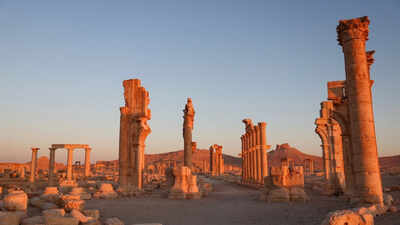
According to Arab News, among the returned objects is a massive limestone relief from ancient Palmyra. The funerary sculpture dates to the late second century CE and depicts a reclining man surrounded by a woman and three children. Weighing more than 1,000 pounds, the relief originally formed part of a Palmyrene tomb. Investigators determined that it had been carefully removed from a burial chamber before being smuggled through Dubai.Its history is particularly significant because the relief left Palmyra before the ancient city suffered extensive destruction at the hands of ISIS between 2015 and 2017. The archaeological site, a UNESCO World Heritage site, was heavily damaged during the conflict, making the recovery of objects removed from the city especially important.The collection also includes 14 mosaics taken from a Roman villa in Syria. Among the other notable pieces is a third-century BCE mosaic section portraying the mythological wedding of Telete and Eros, created from hundreds of tiny pieces of colored stone known as tesserae.

13 pieces came from the Met

The report adds that thirteen of the 36 antiquities were seized from the Metropolitan Museum of Art in New York as part of investigations into the provenance of ancient objects held by the institution.The Manhattan District Attorney’s Office said its Antiquities Trafficking Unit has seized 402 antiquities from the Met since 2017, with a combined value of $98.7 million. The Syrian return therefore forms part of a much broader examination of objects that passed through museums, galleries and private collections.Four other objects in the latest repatriation came from the collection of American collector Michael Steinhardt. Those pieces were among approximately 180 antiquities valued at $70 million that authorities recovered from his collection in a 2021 agreement. That agreement also resulted in a lifetime prohibition on his acquiring additional antiquities.

Tracing a global antiquities trade

Investigators linked 31 of the returned Middle Eastern and North African antiquities to objects allegedly trafficked into New York by Georges Lotfi, a Lebanese antiquities dealer who is the subject of an arrest warrant issued in 2022 and an Interpol Red Notice from 2023. The allegations against him remain subject to the legal process.The latest return adds Syria to a growing list of countries receiving cultural artifacts recovered through investigations in New York. The Manhattan District Attorney’s Antiquities Trafficking Unit says it has recovered more than 6,400 cultural treasures valued at about $495 million and returned more than 6,200 of them to 40 countries.For Syria, the return represents the recovery of objects connected to civilizations that flourished thousands of years ago, and, in the case of the Palmyra relief, a tangible piece of a site whose surviving heritage has faced extraordinary losses in recent history, concludes the report.


Source link

Urdu language was eroded under a conspiracy: MLA Gurez tells Assembly


urdu language was eroded under a conspiracy mla gurez tells assembly 2026 09 25 11 40 51

Srinagar, Sep 25: Member of Legislative Assembly (MLA) Nazir Ahmad Khan on Friday expressed concern over the erosion of the Urdu language, alleging that it was “eroded under a conspiracy.”

The MLA told the Speaker during Question Hour that they used to receive the question bank in both English and Urdu in the past.

“But now, it is available only in two languages– English and Hindi,” he said, adding that “It is a conspiracy to erode the Urdu language and this is totally unacceptable.”

Taking note of the matter, the Speaker of the Legislative Assembly said that it had been taken up with the Parliamentary Affairs Ministry, which had assured that the matter would be looked into.

“We have taken it up and informed the Parliamentary Affairs Ministry that Urdu is our national language,” Rather told the House.


Source link

Tanzania planted 100,000 native trees along an elephant corridor; the 1,000 animals now have a route from savanna to rainforest |


Tanzania planted 100,000 native trees along an elephant corridor; the 1,000 animals now have a route from savanna to rainforest
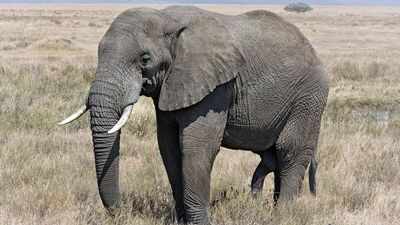
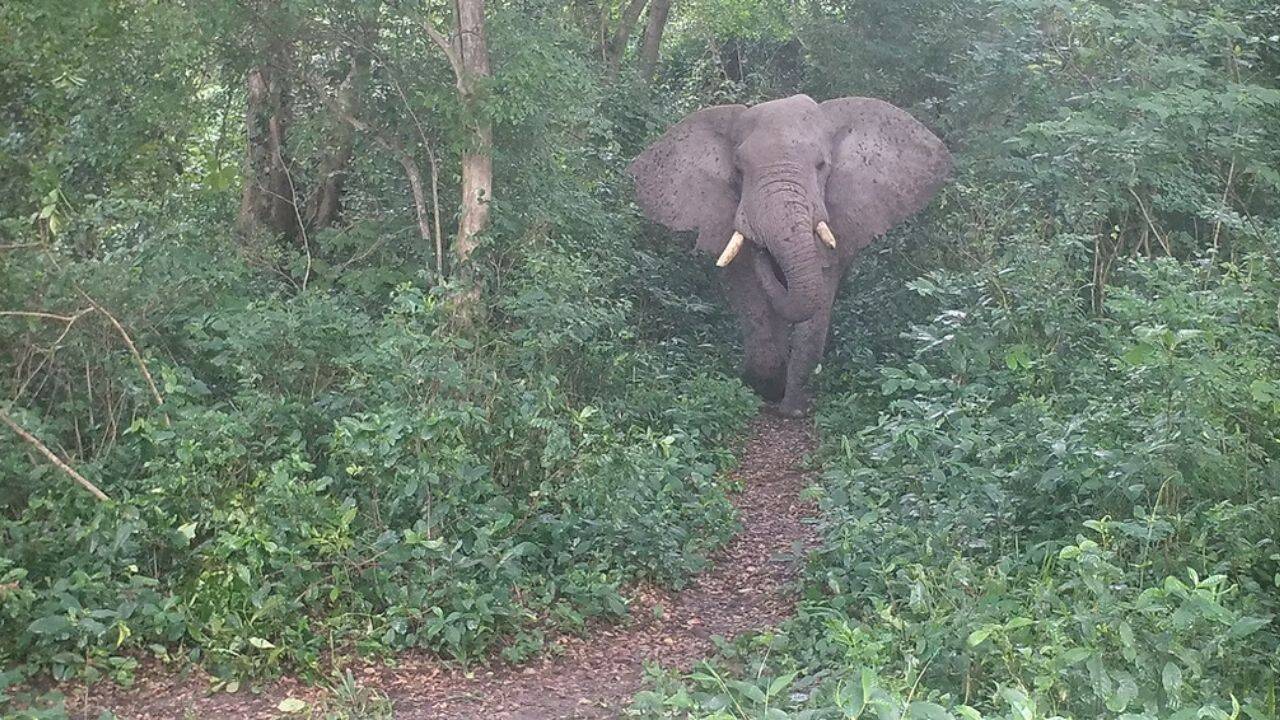
Male African Bush Elephant. Image Credit: Wikimedia Commons

Tanzania has officially protected a narrow wildlife corridor linking Nyerere National Park’s savanna woodlands with the rainforests of the Udzungwa Mountains. The Nyerere-Udzungwa Wildlife Corridor crosses the Kilombero Valley, where farm fields had divided the elephants’ old natural path, making it harder for them to move between the savanna and rainforest. Around 1,000 elephants use this landscape, moving between lowland and mountain habitats. Since restoration began, local communities and conservation groups have planted 100,000 native trees and introduced measures to guide elephants away from farms. The corridor was formally recognised by Tanzania in April 2025, giving legal protection to the route.

How 100,000 native trees helped restore the landscape for the elephants

Restoring vegetation became an important part of making the corridor useful to wildlife. Southern Tanzania Elephant Program(STEP) reports that its partner Reforest Africa has planted 100,000 tree seedlings using indigenous species, alongside assisted natural regeneration.The World Land Trust says its 2025 Plant a Tree project is supporting restoration in the Greater Udzungwa-Kilombero landscape. The programme provided funding for 100,000 native trees to restore 100 hectares of degraded land in the Magombera Nature Forest Reserve. It also supports a nursery and training hub intended to help plant another 50,000 native trees across a further 50 hectares.Mongabay reported that the first 100,000 trees planted inside the corridor represent about 30 species. Some areas are being planted densely to recreate forest, while other sections are being kept more open to provide woodland habitat. Species have also been selected for the food they provide to different animals. Fruits from sycamore figs and wild mangoes, for example, are eaten by Sykes’ monkeys and trumpeter hornbills.The trees are already changing the appearance of parts of the valley. According to Mongabay, trees planted in late 2023 had grown above head height, with their expanding green cover visible in satellite images.

How 100,000 native trees helped restore the landscape for the elephants

STEP reports that its partner Reforest Africa has planted 100,000 tree seedlings using indigenous species, alongside assisted natural regeneration. Image Credit: Southern Tanzania Elephant Program(STEP)

The elephant corridor connects savanna to rainforest

The corridor stretches for about 14 kilometres across the Kilombero Valley, linking Nyerere National Park and the Magombera Nature Forest Reserve in the east with Udzungwa Mountains National Park in the west. Mongabay reported that the route is only about 200 metres wide in places, making the protected strip a narrow passage through a heavily used agricultural landscape.STEP reports that the corridor reconnects habitats that had been separated after forests were cleared and land was converted to farms. The organisation began working with villages and the Tanzanian government in 2018 to restore the route. On 4 April 2025, the government officially designated it as Tanzania’s first wildlife corridor with this legal status.The route matters because elephants do not remain in one type of habitat throughout the year. Mongabay reported that elephants in this region move between mountain and lowland forests, miombo woodland and open bush. During dry periods, the mountains can provide food and water when lower areas become less suitable.

Why was the route needed after forests disappeared

The landscape was not always divided in the way it is today. According to Mongabay, about 50 years ago the valley was connected by lowland rainforest. Much of that forest was later cleared as agriculture expanded, leaving elephants to cross farmland along routes they had used for generations.That movement created problems for both wildlife and farmers. STEP reports that 3 villages involved in the corridor agreed to set aside about 7% of their village land. A total of 368 landowners were compensated for their farm plots, with roughly 2.2 billion Tanzanian shillings raised for direct compensation to households.

Measures to keep elephants away from farms

Trees alone cannot make the route safe. The project has also used fencing to guide elephants towards the corridor and reduce encounters with people. Fondazione Capellino reports the initiative as a 13-kilometre ecological corridor and says Tanzania’s first large-scale electric fencing system is being used to reduce human-elephant conflict.The foundation reports that elephants have increasingly remained within the corridor during daylight, gathering in shaded areas and near streams. It also says that residents in Upogoroni sub-village, who previously had to leave their fields in the afternoon because of elephant movements, can now work in their fields during the day.The fencing system is still being improved. Fondazione Capellino says severe flooding in early 2026 led to another technical planning phase, while a redesigned system is intended to cope better with seasonal floods. By early 2026, fencing had reached about 12.6 kilometres, with further work planned.

What has the corridor revealed about wildlife use

Monitoring has shown that the route is already being used by a range of animals. STEP says biodiversity monitoring recorded 26 species of large and medium-sized mammals in the corridor and detected increased elephant use.Mongabay reported that 59 camera traps installed across the corridor recorded at least 1,440 mammals during a 15-month period, including 529 elephants. The cameras also recorded species such as buffalo, bushbuck, serval, honey badgers, Sykes’ monkeys and Cape clawless otters. The corridor is serving a wider purpose than simply moving elephants between two protected areas.

Challenges for the restored corridor

The official designation has strengthened protection, but the project still faces practical challenges. Mongabay reported that elephants have not yet consistently used an underpass beneath a busy road near the Udzungwa Mountains. Crowds gathering to watch the animals can cause them to turn back, while planned development close to the corridor could create additional pressure.Fondazione Capellino reports that fencing, monitoring, patrols and community involvement remain ongoing rather than completed tasks.


Source link

'Vote Yes or No': Omar Abdullah challenges BJP for a debate on J&K statehood resolution


cm omar oc 2026 09 25 13 00 33

Srinagar, Sep 25: Chief Minister Omar Abdullah on Friday accused BJP MLAs of creating a ruckus in the Jammu and Kashmir Assembly to evade voting on a resolution seeking immediate restoration of statehood to the Union Territory.

Talking to reporters in the assembly premises after Speaker Abdul Rahim Rather adjourned the House for 30 minutes following unruly scenes and fistfights among MLAs, Abdullah said that the fresh resolution tabled by him did not dilute earlier resolutions on greater autonomy or special status but to have one voice for restoration of statehood.

“You saw how the BJP reacted to this. Because they simply do not want to vote on statehood. They want to back out of this vote under one pretext or another,” Abdullah said.

Addressing the uproar, Abdullah emphasised that the House was not being asked to vote on Article 370 or special status, as those resolutions passed on June 26, 2000, and November 6, 2024, were already the property of the House.

The erstwhile state assembly had passed a resolution moved by the then government headed by Farooq Abdullah on June 26, 2000 seeking restoration of greater autonomy as existed before August 9, 1953. On November 6, 2024, the assembly of the Union Territory had passed a resolution seeking the restoration of special status.

“Today, no one is asking them to vote on Article 370… or special status or autonomy. We are asking for a vote from the BJP solely and exclusively on statehood, and they are not ready,” he said.

Refuting the BJP’s allegations that the measure was “anti-national”, Abdullah challenged the Opposition to point out any unconstitutional language in the text.

“We are simply saying that the Centre must immediately restore full and complete statehood to Jammu and Kashmir. Show me one anti-national word used in this resolution,” he added.

On BJP MLA Sham Lal Sharma’s demands for accountability regarding governance over the past two years, Abdullah said he was prepared for a debate on Monday to place the government’s performance, along with the difficulties faced, before the House prior to a vote.

“I am ready. Bring the discussion on Monday; whatever our performance has been over the past two years, we will place everything before the house. And the difficulties we faced over these two years, the problems we ran into, the hardships we had to confront — ”we will bring all of that forward as well. And after that, we hope the house votes on this resolution, and we will send this resolution to the central government,” he said.

Reiterating that the assembly represents the collective voice of the people beyond the ruling party cabinet, Abdullah urged the 29 BJP legislators to participate in the debate rather than disrupting proceedings.

“Don’t abstain, don’t walk out, don’t create a ruckus, cast your vote! If you support statehood, vote ‘yes’; if you oppose statehood, vote ‘no’. Let the people know,” he said.

He said the BJP MLAs were elected to the house as they had contested in the name of statehood. “They constantly remind us of our manifesto, yet they don’t remember their own! So today, I tell them again: whatever you want to say, say it inside the house,” he said.

Responding to queries on Congress support, the Chief Minister expressed satisfaction, saying that the Congress MLAs recognised there was nothing unconstitutional about sending a unified legislative demand to New Delhi.

Defending the decision to mention previous resolutions, Abdullah said he had to mention that as he did not want anyone to fall prey to any misunderstanding.

“Tomorrow, you might say, ‘Look, they abandoned those resolutions and brought this one instead.’ That is why we said ‘in addition’ — ”meaning those resolutions remain property of the house. We are not touching those resolutions; they stand in their place. But today, we are bringing a separate resolution on statehood, one that does not dilute earlier resolutions,” he added.

Asked about the need to bring the resolution when his cabinet had passed a similar resolution two years ago, Abdullah said two years is a very long time to make the people of Jammu and Kashmir wait for statehood.

“Clearly, the voice of the Cabinet was not considered to be the voice of the people. Therefore, since the legislature represents the entire spectrum of political opinion in Jammu and Kashmir… The Cabinet only represents the ruling party, but the legislature represents parties that are not part of the government,” he said.


Source link

In 1984, NASA sent 12.5 million tomato seeds to space; in 1990 they had to be brought back to Earth and were planted across 40,000 schools in 40 countries


In 1984, NASA sent 12.5 million tomato seeds to space; in 1990 they had to be brought back to Earth and were planted across 40,000 schools in 40 countries

The seeds that NASA sent to space in 1984, returned to Earth six years later in 1990 and had to be distributed among students as plant kits. What lies behind this statement is a tale of space motion that many remain unaware of. The mission was to determine whether exposure to the space environment would affect the germination and plant growth of the seeds, but the agency was never able to observe the same.

A hopeful experiment

The project was called SEEDS, which stands for Space Exposed Experiment Developed for Students. It involved NASA headquarters, the Langley Research Centre and the company George W. Park Seed, a traditional seed supplier in US. The idea was to send a group of seeds into space and keep a group on Earth. Then, both sets of identical seeds would be distributed to the schools so that students could plant them side by side and compare the results.All 12.5 million seeds belonged to the variety Rutgers California Supreme, a common tomato in American cultivation. This was chosen because using a single variety prevents genetic differences from skewing the results. The equipment that carried the seeds into space was the Long Duration Exposure Facility (LDEF), a twelve-sided cylindrical structure, weighing about 9.7 tons, designed to remain stationary in space while experiments attached to its surface were exposed to vacuum, radiation and micrometeorites. The LDEF had no propulsion or power generation of its own. It was built to be released by one space shuttle and collected by another, and it carried dozens of experiments from various countries, not just the seed experiments.The Space Shuttle Challenger released the LDEF into orbit on April 7, 1984, during the STC-41 C mission. The plan was to retrieve it within a year during a subsequent, pre-scheduled mission. Two years later, the same shuttle exploded 73 seconds after launch on January 28, 1986, killing all seven crew members. The entire fleet was grounded, and planned missions were reorganised.Without an engine to correct its trajectory, the LDEF gradually lost altitude, slowed by the residual atmosphere that exists even hundreds of kilometres up. Over the years, its orbit dropped to about 280 kilometres. When the rescue finally arrived, the platform was mere weeks away from re-entering the atmosphere and disintegrating. In this case, the 12.5 million seeds would have burned up as well.The Space Shuttle Columbia captured the platform on January 12, 1990, during the STS-32 mission, bringing it back with the seeds intact. Combined, this amounted to 69 months in orbit, nearly six years and over 32,000 orbits around Earth. The seeds remained sealed in containers inside the platform, with no cultivation in orbit. Nothing germinated in space; the exposure was only to the environment. During this time, they were exposed to solar radiation, cosmic rays and microgravity.

Planting kits for students

Students planting the seeds

Each kit contained both group of seeds, the ones that had spent nearly six years in space and the ones that had been stored in a controlled environment for the same duration. Image credit: NASA

After the return, as planned, the educational phase of the project began. According to a NASA educational report, approximately 132,000 planting kits were distributed to teachers at about 40,000 schools, reaching about 3.3 million students. The outreach covered all 50 US states, the District of Columbia and another 30 countries across the world. It included classes from preschool to universities.Each kit contained both group of seeds, the ones that had spent nearly six years in space and the ones that had been stored in a controlled environment for the same duration. This second group is what science refers to as the control: it serves as a benchmark to determine whether any observed differences were actually due to the journey, rather than the variety or planting method. The kits included forms to record any observations made.Students recorded how many seeds germinated, how long it took for the first sprout to appear and how the plants developed over the weeks. They also noted the appearance of the flowers, formation of the fruit and the condition of leaves and stems. The recorded data was sent back to NASA which compiled the information for analysis. The agency received nearly 8,000 reports submitted by entire classes.Preliminary data showed a germination rate of 73.8% for the space seeds, compared to 70.3% for the Earth seeds. In tests conducted in the first six months after retrieval, the space seeds averaged germination in 8 days, while the Earth seeds took 8.3 days. There was also a tendency for initial growth to be faster in the first three to four weeks. After this period, the terrestrial plants caught up to the others.The project’s summary did not identify any overall differences between the two groups of plants or their fruits. The small initial advantages did not persist through the end of the cycle.SEEDS (Space Exposed Experiment Developed for Students) has become one of the largest science projects ever conducted in classrooms with material that has been exposed to space, both in terms of participant numbers and geographical reach.


Source link

Sajad Lone slams BJP for objecting to resolution on restoring J&K statehood


sajad lone press conference 2026 07 31 18 26 38

Srinagar, Sep 25: J&K Peoples Conference president and MLA Handwara Sajad Lone on Friday hit back at the BJP’s objections to the Jammu and Kashmir Assembly’s resolution on statehood, arguing that the political and constitutional relationship between J&K and India cannot be divorced from the commitments and assurances surrounding the events of 1947.

As per the statement, Lone said the BJP was “making noise” because it had no substantive argument against the resolution, insisting that Jammu and Kashmir’s accession to India must be understood in the context of the promises and constitutional arrangements that accompanied it.

“Jammu and Kashmir is a part of India because of the events of 1947. Promises were made to us in 1947. Because of that, we are here,” Lone said, arguing that restoration of statehood was not a matter of governmental charity.

He described the withdrawal of statehood as a “very bad act”, alleging that it was driven by “stubbornness” and “hatred”. He further argued that the constitutional relationship that evolved after accession, including the autonomy arrangements that existed before and after the 1953 watershed and the subsequent constitutional framework, could not simply be erased from the historical record.

Referring to the broader question of autonomy, Lone said issues concerning Jammu and Kashmir’s special constitutional position, including the commitments associated with accession and subsequent arrangements, formed part of the political understanding under which the State’s relationship with India developed. 

“What does the BJP know? They just arrived the day before yesterday. You should talk about ’47,” Lone said, arguing that the question of how Jammu and Kashmir became part of India could not be separated from the historical commitments made at the time, he said in a statement.

On the possibility of pursuing a judicial route for restoration of statehood, after Chief Minister Omar Abdullah indicated that legal options could be explored, Lone said the immediate priority was to secure passage of the Assembly resolution.

“We will look at the legal route later; first, let’s focus on passing the resolution here,” Lone said.


Source link

LG Saxena approves new white uniform for Ladakh Traffic Police


ladakh 2026 09 25 16 55 13

Leh, Sep 25: The Ladakh Traffic Police has donned a new look, with Lieutenant Governor Vinai Kumar Saxena approving the change of its uniform from the earlier sky-blue to a crisp white one.

As per officials, the change has been approved with the objective of improving visibility and giving the Traffic Police personnel a fresh and distinctive appearance, while ensuring a uniform and smart look across the Traffic Police in the Union Territory.

They said the new white uniform will provide Traffic Police personnel with a neat, tidy and professional appearance and help create a more consistent visual identity for the force, while performing their duties on roads across Ladakh.

The decision to officially change the uniform was prompted by observations that the former attire of the traffic personnel closely resembled the uniforms of several local schools, often causing the personnel to blend into the crowds and thus reducing their visibility on the streets.

White uniforms are worn by Traffic Police personnel in Delhi and several other States, and the new uniform for Ladakh is in keeping with this widely followed practice, thereby enhancing the visibility of the traffic personnel.

The Lieutenant Governor said that the change in uniform was aimed at providing the Traffic Police with a fresh and professional identity and enhancing their overall appearance while on duty. He expressed the hope that the new uniform would further strengthen the sense of discipline and pride among Traffic Police personnel as they discharge their important responsibility of regulating traffic and assisting road users.


Source link

Defence Minister Rajnath Singh flags historic Ladakh mountaineering expedition


New Delhi, Sep 25: Defence Minister Rajnath Singh on Friday flagged the First Ascent Mountaineering Expedition that scripted history by summiting 20 unclimbed peaks above 6,000 meters in Ladakh in just 23 days.

This is the first-ever recorded summits of 20 unclimbed peaks in Chamser-Lungser, Gyama Nala and ⁠Chokula areas in Ladakh Range. The expedition was undertaken by a team of 20 highly skilled climbers from the National Institute of Mountaineering and Adventure Sports (NIMAS), Dirang, led by Col Ranveer Singh Jamwal.

Interacting with the expedition team, Defence Minister commended the courage and determination of the climbers in accomplishing the historic feat. He described the expedition as a demonstration of India’s mountaineering excellence and leadership in adventure sports.

Terming the climbers as a source of inspiration, Rajnath Singh added that the successful ascents set new benchmarks and would encourage young mountaineers across the country to pursue adventure & exploration and make the nation proud.

The expedition showcased exceptional planning, technical expertise, endurance and teamwork. It reflected the nation’s capabilities in high-altitude mountaineering, strengthening its presence on the global mountaineering map. It was organised to promote the spirit of adventure & exploration in the high-altitude frontiers and inspire future generations of mountaineers.

Defence Secretary Rajesh Kumar Singh and other senior officials of the Ministry of Defence were also present during the flag-in ceremony at Kartavya Bhavan-2 in New Delhi.


Source link

California crews digging 12 feet below an Oceanside infrastructure project uncovered limb bones, ribs and fragments that paleontologists say may belong to a ‘thunder beast’ up to 45 million years old


California crews digging 12 feet below an Oceanside infrastructure project uncovered limb bones, ribs and fragments that paleontologists say may belong to a ‘thunder beast’ up to 45 million years old
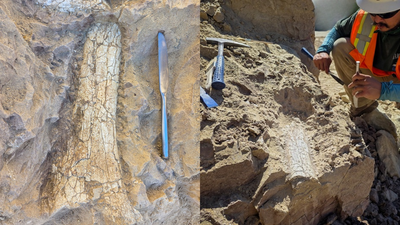
California crews uncover possible 45-million-year-old ‘thunder beast’ fossils in Oceanside (Image Credit: City of Oceanside)

A routine infrastructure project in Oceanside, California, has led to an unexpected discovery from deep beneath the ground: fossilised bones that may have belonged to a huge hoofed mammal that lived as long as 45 million years ago. According to the City of Oceanside, which announced the discovery, crews uncovered several limb bones, ribs and other fragments about 12 feet below the surface. Paleontologists believe the remains could belong to a prehistoric animal known as a “thunder beast”; another possibility is a creature known as a “swamp rhino”. Researchers are now studying the fossils to determine the animal’s exact identity.

Fossils emerge during routine construction

The discovery was made recently while crews were carrying out excavation for a city infrastructure project in Oceanside, about 40 miles north of San Diego. Workers digging roughly 12 feet below the surface came across several fossilised bones embedded in hardened sedimentary rock. The remains included multiple limb bones, ribs and numerous other bones and fragments. Their size and shape suggested to paleontologists that they belonged to a large hoofed mammal that lived in the region during the Eocene Epoch.The fossils were found in what the City of Oceanside describes as “Member C of the Santiago Formation,” a thick sequence of sedimentary rock in northwestern San Diego County. The formation dates to a period when the landscape of present-day Southern California was very different from what it is today. Rather than stopping construction entirely, the discovery prompted paleontologists to secure the area and carefully excavate the remains.

Seven days of careful excavation

Joseph El Adli, a paleontologist who was monitoring the construction site, recognised the importance of the discovery and led additional excavation work. According to the City of Oceanside, El Adli’s team spent seven days exposing the fossils from beneath several tons of hardened mudstone and sandstone. The bones were then placed inside a protective plaster field jacket so they could be transported safely to an off-site laboratory for further preparation.The fossils are still encased in rock, meaning researchers have not yet been able to examine every part of the specimens. That is also why the precise identity of the animal remains uncertain. The exact location of the discovery is not disclosed yet, citing public safety concerns and the need to protect the site.

Was it a ‘thunder beast’ or a swamp rhino?

Based on the size and shape of the recovered bones, El Adli believes the animal could belong to one of two groups of extinct mammals. One possibility is a Titanothere, commonly referred to as a “thunder beast”. These were large, hoofed mammals that lived in North America during the Eocene. They were members of the extinct brontothere group and could reach considerable sizes.The second possibility is an Amynodon, sometimes described as a “swamp rhino”. Despite the name, these animals were not modern rhinoceroses. They belonged to an extinct group of large-bodied mammals and are thought to have had adaptations associated with life around wetlands. At this stage, paleontologists have not confirmed which of the two animals the Oceanside fossils represent. Further preparation and examination of the bones should help narrow down their identity.

A glimpse into ancient Oceanside

The fossils provide a window into a period when the landscape around present-day Oceanside was home to very different animals and environments. Officials said the mammal lived on ancient floodplains roughly 40 million to 45 million years ago. The rocks surrounding the remains belong to the Eocene-aged Santiago Formation and fall within the Uintan North American Land Mammal Age. The find also adds to evidence that the region contains significant fossil deposits. According to the Los Angeles Times, other fossils have previously been recovered from the Santiago Formation, including remains of early saber-toothed carnivores and primates.Modern construction has also uncovered fossils elsewhere in Southern California, demonstrating how buried geological deposits can sometimes remain hidden until excavation reaches them.

What happens to the fossils next?

The recovered specimens are expected to undergo further preparation and scientific examination once researchers remove more of the surrounding rock. The additional work could reveal features that distinguish a thunder beast from a swamp rhino and provide more information about the animal’s size and biology. The researchers will also be able to determine whether the fragments belong to a single individual. The City of Oceanside said the specimens are ultimately expected to become part of a museum collection, where they can be preserved and made available to scientists and the public for further study.For now, the discovery remains a scientific mystery. What began as a routine excavation 12 feet beneath an Oceanside construction project has instead uncovered bones from an animal that may have walked across Southern California’s ancient floodplains tens of millions of years ago. Further examination of the fossils will determine whether the long-buried remains belonged to a “thunder beast”, a swamp rhino or another prehistoric mammal.


Source link

CM Omar moves resolution for statehood restoration in J&K assembly


cm speech in assembly 2026 09 25 11 54 11

Srinagar, Sep 25: Jammu and Kashmir Chief Minister Omar Abdullah on Friday moved a resolution in the Legislative Assembly seeking the complete restoration of statehood to Jammu and Kashmir, saying a commitment described as “Modi Ka Wada” should have been implemented.

“PM Modi earlier said that it was Modi Ka Wada, which means it was extraordinary from a normal promise. If it was Modi Ka Wada, then it should have got implemented as well,” Omar said while speaking in the House.

He also highlighted what he described as the administrative implications of Jammu and Kashmir continuing as a Union Territory, citing the functioning of the Sher-i-Kashmir Institute of Medical Sciences (SKIMS).

“The implications of not having statehood is that files of SKIMS, one of our premium healthcare institutes, do not come to us,” he said.

Omar said Health Minister Sakina Itoo was unable to take decisions on matters concerning SKIMS, while the Finance Department allocated funds to the institute without having control over how the money was subsequently spent.

“I, as Finance Minister, give them the budget, but how that money is spent, we don’t know,” he said.

The Chief Minister sought a detailed discussion on the resolution, saying restoration of statehood was a common concern cutting across party lines.

The resolution triggered an uproar in the House, with members of both the ruling benches and the opposition raising slogans.

BJP members accused the government of “befooling” the people of Jammu and Kashmir, while National Conference and Congress members responded with slogans including “Sada Haq Ithey Rakh”.

NC members also raised slogans demanding the restoration of Jammu and Kashmir’s special status.

The protests escalated as a majority of BJP legislators entered the Well of the House, leading to a noisy confrontation.

Amid the continued ruckus, Speaker Abdul Rahim Rather adjourned the House for half an hour.


Source link

A Norfolk seal was rescued with 4 kilograms of fishing debris wrapped around her neck; the material had cut a 3-inch-deep wound and she now faces months of rehabilitation if she survives


A Norfolk seal was rescued with 4 kilograms of fishing debris wrapped around her neck; the material had cut a 3-inch-deep wound and she now faces months of rehabilitation if she survives
Donut was taken to the RSPCA East Winch Wildlife Center for emergency veterinary treatment. She is still in critical condition and the priority now is to treat her serious wound and stabilize her health.

A young gray seal caught in a snare of discarded fishing gear that had tightened around her neck has a long road to recovery. By the time rescuers reached her, the debris had cut through her and left her nearly unable to move through the water, states an online report by Broadland Radio. Her caregivers named the seal Donut and she was found at Horsey on September 20 in a condition that left little room for delay. She is now being cared for by specialists at the RSPCA’s East Winch Wildlife Center and her survival remains uncertain, adds the online report.

Four kilos of wreckage

Donut, about a year old, had become ensnared in a tangle of netting, twine, fishing hooks and metal. The material was tight against her neck now, a heavy collar that still hurt when she moved. When rescuers finally freed her the tangled mess weighed around four kilos. The debris had cut deep into the seal’s neck, causing a wound some three inches deep. The injury was painful, and it also threatened her ability to swim and hunt, skills that a young seal needs to survive in the wild. With help from members of the public, volunteers from Friends of Horsey Seals managed to get Donut onto a stretcher and safely remove her from the beach.

The road ahead is hard

Donut was taken to the RSPCA East Winch Wildlife Center for emergency veterinary treatment. She is still in critical condition and the priority now is to treat her serious wound and stabilize her health. She is expected to pull through the initial ordeal but her recovery will be a long one. It will be several months before she is strong enough to go back to sea, and that will be with treatment and rehab, states the online report. For a young seal already weakened by injury the process will involve rebuilding her strength and ensuring she can once again swim, feed and fend for herself in the wild.

The shore line is a red flag

Doughnut’s plight reflects a continuing danger to marine wildlife around the British coast. Fishing line, netting, hooks, ropes and other discarded materials can persist in the marine environment long after they have fulfilled their original function. Animals can become entangled while swimming, feeding or resting, and injuries can be exacerbated as the material constricts around their bodies. Doughnut’s case was a few kilograms of debris that became a potentially deadly trap.Her rescue also emphasizes the necessity of promptly reporting animals in distress and involving trained wildlife rescuers. The next few months will tell if Donut can recover from her injuries and make it back to the Norfolk coast. The young seal is currently in specialist care, and her survival depends on treatment, rehabilitation and time, concludes the report.Image Courtesy: istock


Source link

Scores of Congress workers detained during Jammu protest, demand CEC's resignation


Scores of Congress workers detained during Jammu protest, demand CEC's resignation

Jammu, Sep 25: 

Congress MP and AICC general secretary Dr Syed Naseer Hussain led the protest, with several senior party leaders, including former ministers and former legislators, participating in the demonstration.

The protesters raised slogans against Kumar and burnt his effigy while attempting to march towards the Election Commission office in Jammu.

A heavy contingent of police and paramilitary personnel was deployed around the office to prevent the protesters from proceeding. The protesters had brief scuffles with security personnel before several of them were detained, including the top leaders and taken away in buses.

“We have been detained in large numbers. They were taken away in buses. We demand the CEC’s resignation. That is why we held the protest here today,” former deputy chief minister Tara Chand told reporters.

Congress workers gathered outside the EC office and attempted to gherao the premises as part of the party’s nationwide protest demanding Kumar’s removal.

The Congress has also sought an independent review of decisions and electoral roll changes made under his tenure.

The development comes days after a report by The Indian Express said Election Commissioners Sukhbir Singh Sandhu and Vivek Joshi recorded objections on at least 14 occasions over decisions and orders concerning SIR.

According to the report, the objections related to decisions allegedly taken without their knowledge or against their recommendations. The issues included changes to Form 6 and the management of electoral-roll data.

Congress leader and former minister Chaudhary Lal Singh said that protests were being held across the country against the Election Commission over what he described as irregularities in the electoral process.

“Demonstrations are taking place everywhere, statewide and nationwide, wherever there is an Election Commission office,” he said, alleging that the poll panel had acted in collusion with the government and that people’s right to vote had been misused.

Heavy police deployment remained in place around the Election Commission office to maintain law and order and prevent any untoward incident.

The protest was part of the Congress’ nationwide campaign against Kumar. The party has asked its state units to hold marches to State Election Commission offices on September 25.


Source link

Ruckus after J-K CM moves resolution for full statehood restoration in assembly; house adjourned


assembly speaker rahim rather 2026 09 25 13 37 37

Srinagar, Sep 25: Chief Minister Omar Abdullah on Friday moved a resolution in the legislative assembly to seek the urgent restoration of full statehood to Jammu and Kashmir, following which a pandemonium broke out, prompting the speaker to adjourn the house.

BJP MLAs protested against the resolution, which has a reference to the autonomy resolution moved by National Conference (NC) government in June 2000 when Jammu and Kashmir was a state.

It read: “In addition to the resolutions passed by this House on 26 June 2000 and 6 November 2024, the House calls upon the Government of India for the immediate and urgent restoration of full statehood to Jammu and Kashmir and resolves that this resolution be forwarded to the Government of India.”

The NC-led government headed by Farooq Abdullah had passed a resolution on June 26, 2000 for restoration of greater autonomy as existed before August 9, 1953.

On November 6, 2024, the house passed a resolution seeking the restoration of special status.

As soon as the chief minister tabled the resolution in the house, the treasury benches welcomed it with thumping of desks.

However, the reference to the 2000 resolution triggered protests from BJP members, who stated that they would not allow any discussion on the issue of autonomy in the house.

They alleged that rules were flouted as the chief minister read the resolution even before tabling it in the house.

The BJP members stormed the well of the house and tore the copies of the resolution.

“We will not allow discussion on the issue of autonomy in the house,” BJP MLA R S Pathania said.

Several MLAs got into heated arguments with each other as the pandemonium continued in the house.

Speaker Abdul Rahim Rather urged the members to take their seats, but the din persisted.

The members traded barbs with each other, with some of them starting fist fights.

Subsequently, the speaker adjourned the house, frstly for half and hour, and then till Monday.


Source link

A female body part never reached books for a century because scientists thought it was useless; now researchers say it is crucial for ovary function


A female body part never reached books for a century because scientists thought it was useless; now researchers say it is crucial for ovary function

Women have been kept in the dark about more than just their abilities and history, they still don’t know one of the most important things about themselves: their body. For more than a hundred years, an organ in the female reproductive system was written off as useless. However, a recent study has revealed that what researchers called a “mysterious orphan structure”, may play an essential role in fertility and keeping the ovaries healthy.

A rediscovered organ

First discovered in 1870, the rete ovarii is a small structure on the ovary that has historically received little to no attention. While early editions of ‘Gray’s Anatomy’, the classic human anatomy reference book first published in London in 1858, did include drawings of the appendage, eventually, it completely disappeared completely from medical textbooks and came to be regarded as a functionless part of the adult ovary.That assumption is particularly shocking because the RO is found across a wide range of mammals, including guinea pigs, cows, cats, sheep, pigs, dogs, monkeys, camels, and humans. Previous studies had hinted that it could produce and release substances, but this possibility was never experimentally confirmed. Without a clear function, the RO remained something of an anatomical mystery.But in 2024, a research team from Duke University published “Rediscovering the rete ovarii, a secreting auxiliary structure to the ovary,” a scientific paper describing their examination of the development and function of the rete ovarii in mice.The rete ovarii is an extended horseshoe-shaped “network of tubules and cords” at the bottom of the ovary. It consists of three distinct regions that persist from birth through adulthood: the intraovarian rete (IOR), the extraovarian rete (EOR) and the connecting rete (CR).Researchers injected fluid into the EOR and found that it flowed toward the ovary, suggesting that the structure may play a role in ovarian function. They also found evidence that the EOR may communicate with the nervous and circulatory systems: Its cells are closely associated with blood vessels that supply the ovaries and receive direct connections from nerves. The cells are also found near macrophages, which are immune cells that help protect the body.The researchers also found receptors for hormones including estrogen and progesterone, which play important roles in reproduction and other aspects of women’s health.Some of the proteins released by the rete ovarii are involved in egg maturation and maintaining ovarian follicles. Their activity increased as estrogen levels rose, suggesting the structure may respond to hormonal changes during the reproductive cycle.According to co-author Dilara Anbarci, a developmental biologist at the University of Michigan in Ann Arbour, the findings could offer clues about how the structure contributes to fertility and ovarian health. “There’s still so much we can’t even begin to comprehend about female anatomy,” said Anbarci to ScienceNews. “I hope this encourages more investigation in reevaluating what we don’t already know about the ovary.”

Social media backlash

Researchers have studied the rete ovarii since it was first described more than 100 years ago, but they never agreed about its function, according to the authors. The rediscovery of the organ is also making waves on social media, where women are criticising the medical research establishment, historically male-dominated in both its workforce and leadership, for rejecting and “erasing” a structure in the female body.Comedian Michelle Wolf called the news “infuriating” in a TikTok that has garnered more than 130,000 likes. “The fun thing is that obviously our bodies didn’t erase it because if our bodies just erase things men wanted them to, we wouldn’t have brains,” she said.Wolf also pointed out that the rete testis, considered the male equivalent of rete ovarii — though the 2024 study’s authors deemed the rete ovarii “more complex” — has remained in anatomy textbooks. “We research women’s health just about as thoroughly as a man looks for ketchup in the fridge,” she quipped.“Being overlooked by a man because they didn’t think you were important, rete ovarii, we’ve all been there. Welcome back, baby.”


Source link

BJP doesn't want to vote on statehood restoration, using one pretext or another: J-K CM


cm omar oc 2026 09 25 13 00 33

Srinagar, Sep 25: 

Talking to reporters inside the assembly premises after Speaker Abdul Rahim Rather adjourned the house for 30 minutes, Abdullah said the resolution he tabled in the house was not for greater autonomy or special status to Jammu and Kashmir.

Referring to the unruly scenes and sloganeering by the BJP MLAs, the chief minister said, “You saw how the BJP reacted to this. Because they simply do not want to vote on statehood. They want to back out of this vote under one pretext or another.”

The tabling of the resolution in the assembly led to ugly scenes in the house and even fistfights among the MLAs.

Abdullah said he did not seek a vote on the resolutions passed by legislative assembly on June 26, 2000 on — restoration of greater autonomy under the Indian Constitution — or on November 6, 2024 — for the restoration of special status to Jammu and Kashmir.

“Today, no one is asking them to vote on Article 370. Today, no one is asking them to vote on Jammu and Kashmir’s special position or special status or autonomy. Those resolutions have already been passed; they are the property of the house,” he said.

The chief minister said the fresh resolution he tabled in the house on Friday does not subsume the previous resolutions.

“We are not bringing those resolutions back for a vote; the house has already passed them. Today, we are asking for a vote from the BJP solely and exclusively on statehood, and they are not ready to vote on statehood,” he added.

Abdullah said he brought the resolution as the Jammu and Kashmir Assembly represents the voice of the people.

“We wanted a resolution to be passed here and sent to the Government of India, stating that Jammu and Kashmir’s statehood should be restored immediately,” he added.

Abdullah also referred to BJP MLA Sham Lal Sharma’s remarks about the government having to be accountable for governance over past two years.

“I am ready. Bring the discussion on Monday; whatever our performance has been over the past two years, we will place everything before the house. And the difficulties we faced over these two years, the problems we ran into, the hardships we had to confront — ”we will bring all of that forward as well. And after that, we hope the house votes on this resolution, and we will send this resolution to the central government,” he said.

On the BJP’s charge that the resolution was “anti-national”, the chief minister said that asking for statehood does not make one anti-national.

“Show me one anti-national word used in this resolution. Show me one unconstitutional word we have used. We are simply saying that the Centre must immediately restore full and complete statehood to Jammu and Kashmir,” he said.

The chief minister said he had to mention those earlier resolutions as he did not want anyone to fall prey to any misunderstanding.

“Tomorrow, you might say, ‘Look, they abandoned those resolutions and brought this one instead.’ That is why we said ‘in addition’ — ”meaning those resolutions remain property of the house. We are not touching those resolutions; they stand in their place. But today, we are bringing a separate resolution on statehood, one that does not dilute earlier resolutions,” he added.

Abdullah said if the BJP wants the previous resolutions replaced, they should bring a resolution in the house to this effect.

“Let them bring a resolution during this debate to reject them, to wipe them out. If they get the votes for it, who am I to object? That is what democracy demands,” he said.

Abdullah said the people of Jammu and Kashmir have seen that if anyone is an obstacle to restoring statehood, it is the 29 BJP MLAs.

“They contested elections in the name of statehood. Restoring statehood was a major promise in their manifesto. They constantly remind us of our manifesto, yet they don’t remember their own! So today, I tell them again: whatever you want to say, say it inside the house.

“Let the house run in order, hold a debate, and say what you wish; we will answer. After that, vote on statehood. Don’t abstain, don’t walk out, don’t create a ruckus, cast your vote! If you support statehood, vote ‘yes’; if you oppose statehood, vote ‘no’. Let the people know,” he said.

Asked about the need to bring the resolution when his Cabinet has passed a similar resolution two years ago, Abdullah said two years is a very long time to make people of Jammu and Kashmir wait for statehood.

“Clearly, the voice of the Cabinet was not considered to be the voice of the people. Therefore, since the legislature represents the entire spectrum of political opinion in Jammu and Kashmir… The Cabinet only represents the ruling party, but the legislature represents parties that are not part of the government,” he said.

The chief minister said the demand for statehood was not for the government, his party or his family, but for entire Jammu and Kashmir.

“That is why we brought this resolution to the Jammu and Kashmir Legislative Assembly, so that in one single voice, we tell the central government to restore the status of statehood to Jammu and Kashmir immediately,” he said.

Asked about Congress MLAs being comfortable with the resolution, Abdullah said he is glad about it.

“They (Congress) know there is nothing unconstitutional about this resolution. All this resolution seeks to do is to take the voice of the assembly of Jammu and Kashmir and send it to New Delhi. We want that full statehood to Jammu and Kashmir be restored immediately. We want that this voice go from the assembly,” he said.


Source link

Colorado researchers grew the world’s most expensive spice on rooftop solar panels; harvested twice the output and generated $60,000 in return while producing electricity


Colorado researchers grew the world's most expensive spice on rooftop solar panels; harvested twice the output and generated $60,000 in return while producing electricity

There are no limits to what a well-planned project cannot achieve and researchers in Colorado have proven it right. They have managed to make a rooftop with solar panels produce electricity while also growing the world’s most expensive spice and generating extra income.Colorado State University researchers report that saffron, grown beneath solar panels rated at 40% transparency, produced twice as many flowers and twice the dried spice yield as compared to unshaded rooftop plots. The conditions on a green roof – well-drained, nutrient-poor substrates and extreme microclimates – are surprisingly ideal for saffron production. The finding points to a promising use of agrovoltaics, which pairs agriculture with solar electricity generation.

A sunlit experiment

The research was conducted at the CSU Spur campus in Denver, where Jennifer Bousselot’s team studies planted roofs with and without solar installations. These spaces let researchers investigate how urban rooftops could produce food where farmland remains scarce. It was in 2007 that Bousselot began studying the relationship between green roofs and solar panels.In their March 2026 research summary, Reece Bailey and Bousselot warn that “too much shade can be detrimental to saffron yield.” They propose panels that transmit 30% to 40% of the light, mounted 6 to 8 feet above the growing surface.A separate 2022 experiment in eastern Morocco compared full sun with three shade levels over 24 months and found the highest saffron yield with 30% shade. That is roughly 70% of sunlight remaining, not 30% transmission. The percentages describe different things, so the studies do not establish one universal lighting recipe for every climate and panel layout.

A $60,000 figure

The Colorado team modelled five years on an existing 46-kilowatt rooftop array with 4,356 square feet of growing space. Its budget projects about $61,000 in net revenue, including electricity, dried saffron, and sales of corms (the underground structures used to grow new plants).The assumptions include $35 per gram of saffron and corms at 25 cents each. Electricity can contribute $13,470 over the five years. However, first-year costs exceed revenue and the budget does not cover building a new rooftop installation.Saffron consists of the dried red stigmas of Crocus sativus, a fall-blooming crocus harvested and processed by hand. That careful work helps explain why a tiny jar in the kitchen can carry such a large price tag.University of Vermont researchers measured just how much work sits behind the harvest. In their solar-field experiment, producing a single gram of dried saffron required 159 to 179 flowers. A larger flower count is encouraging, but it also means more flowers to pick and process before that spice reaches a customer. The timing can be useful for small farms, too. Vermont’s saffron researchers describe an October or November harvest, after much of the main growing-season rush has passed. The crop could provide additional seasonal income, although someone still has to pick the flowers and separate the delicate threads.For cities, the appeal of the project is exciting. Rooftop farming and solar generation can share the space and panel shade can reduce crop heat stress and irrigation needs under suitable conditions. CSU Extension notes that rooftop systems present installation and maintenance challenges, with planting and harvesting done by hand. In practical terms, a productive roof needs more than plants and panels. It needs a workable plan for growing, harvesting, and maintaining both systems.


Source link

Ready to debate statehood, but won’t allow debate on 370, autonomy: LoP Sharma


lop 1 2026 09 24 10 53 36

Srinagar, Sep 25: Leader of Opposition Sunil Sharma on Friday said the BJP is ready to debate the restoration of full statehood to Jammu and Kashmir, but would not allow a debate on Article 370 or the 2000 autonomy resolution.

Addressing reporters, Sharma said the resolution moved by Chief Minister Omar Abdullah is “controversial” and questioned the inclusion of the 2000 autonomy resolution in the fresh resolution seeking restoration of statehood.

“Today’s resolution moved by the Chief Minister is controversial and disputed. The BJP had rejected the autonomy resolution and even tore it up. Why is that resolution being discussed again in today’s resolution?” Sharma said.

He also questioned the Congress party’s position on the autonomy resolution and Article 370, asking it to clarify whether it stood with the resolutions or the government. 

“Congress should clear its position, from Rahul Gandhi to the State Chief of Congress. Is it with this resolution? Is it with the pre-1953 resolution? Is it with the resolution of 370, or is it with the government?” he said.

Sharma also questioned Omar Abdullah’s position, pointing out that he was a minister in the NDA government led by then Prime Minister Atal Bihari Vajpayee when the autonomy resolution was rejected. “When the BJP rejected and tore up this resolution, wasn’t Omar Abdullah a minister in the NDA at that time? Didn’t he continue as a partner of the NDA?” he asked.

The LoP said the government is using the statehood issue to divert attention from governance-related issues, while asserting that the BJP was ready for a debate on statehood. “If you want to debate statehood, we challenge you. We are ready to debate on statehood. But you want to make Kashmir a fool in the name of statehood,” Sharma said.

He further alleged that the government is using the statehood issue to “hide its failures” and prolong its restoration. “The BJP rejects this resolution. The so-called autonomy and the resolution of 370 and we will not allow debate on this issue,” he said.

LoP Sharma said the BJP would continue its protest until the Congress clarified its position on Article 370 and the autonomy resolution and the government answered its questions.—(KNO)


Source link

CM Omar Abdullah sets priorities for new Industrial Policy, directs focus on investment, jobs


cm omar 2026 09 25 07 09 39

Chief Minister Omar Abdullah today chaired a meeting here at Civil Secretariat to review the draft Jammu and Kashmir Industrial Policy (2026–35).

Deputy Chief Minister Surinder Choudhary, Advisor to the Chief Minister Nasir Aslam Wani, Chief Secretary Atal Dulloo, Additional Chief Secretary to the CM Dheeraj Gupta, ACS Finance Shailendra Kumar, Commissioner Secretary Industries & Commerce Viramjit Singh, MD & CEO J&K Bank Amitava Chatterjee and senior officers of the Industries & Commerce Department and allied departments attended the meeting.

Commissioner Secretary Industries & Commerce made a presentation on the draft policy and apprised the meeting of its broad framework, objectives and the policy formulation process.

The Chief Minister held detailed discussions on the proposed policy and directed the department to ensure that the final framework is balanced, pragmatic and responsive to the evolving needs of Jammu & Kashmir’s industrial sector.

He emphasised that the policy should provide a conducive environment for investment while ensuring that its benefits translate into greater opportunities for local entrepreneurs, businesses and employment generation.

The Chief Minister emphasised that the new policy should provide a comprehensive and competitive incentive framework, with focused support for priority sectors and emerging sunrise sectors.

He also stressed strengthening market access for local industries, further improving ease of doing business, and closely linking incentives with local employment generation and skill development.

The Chief Minister also stressed the importance of a robust implementation mechanism, with clear focus on simplifying processes, facilitating ease of doing business and ensuring effective delivery of the policy’s objectives.

The department was directed to further refine the draft in light of the discussions before it is finalised through the prescribed process.


Source link

Indonesia’s rainforest regenerated for a decade; 43.8% of bird species increased, but trapping pressure was linked to slower recovery |


Indonesia's rainforest regenerated for a decade; 43.8% of bird species increased, but trapping pressure was linked to slower recovery

A decade of forest regeneration in Indonesia’s Harapan Rainforest was linked to rising bird abundance, with 43.8% of bird species showing significant increases, according to a study published in Biological Conservation. Researchers surveyed birds between 2009–2011 and again in 2018, recording 187 species across the two periods. However, the study found evidence that trapping pressure increasingly affected bird populations as the forest became more accessible. According to the study published in ScienceDirect, titled ‘Avifauna recovers faster in areas less accessible to trapping in regenerating tropical forests’, the proportion of species with significantly higher abundance in less accessible areas rose from 5.4% to 16.2%. Researchers also found that 14% of species did not recover as quickly as predicted from forest regeneration alone, highlighting the impact associated with wildlife trapping.

How did 43.8% of bird species respond to rainforest recovery

The researchers recorded 187 bird species across the two survey periods. Of these, 122 species were recorded during both periods and were included in the abundance modelling. Among those 122 species, 45.1% showed significantly greater mean abundance in the current period than in the early period, while no species showed a statistically significant decline in mean abundance over time. The researchers reported an average community-level increase in abundance, although the estimated interval meant that this overall change was not statistically significant.The study’s headline figure of 43.8% refers to the broader result reported in the abstract: forest regeneration was associated with significant abundance increases for 43.8% of bird species over the decade. The researchers nevertheless found that forest recovery did not occur in isolation from other pressures. Their results showed that forests had also become more accessible to people during the study period, with mean access difficulty falling from 1.32 kilometres during the early period to 0.72 kilometres in 2018. The researchers used accessibility as a proxy for trapping pressure because direct measurement of trapping activity across the landscape was difficult.

How did trapping pressure affect bird abundance

The proportion of species whose abundance significantly increased as access difficulty increased rose from 5.4% in the early period to 16.2% in the current period. The researchers interpreted higher abundance in less accessible areas as being likely linked to the negative effects of trapping, because more remote locations were harder for people to reach. They also found that 48.4% of species increased in the degree to which their abundance was associated with increasing access difficulty.The study also found evidence of a recovery deficit associated with intensified trapping. Fifteen per cent of the species analysed exhibited a significant recovery deficit, meaning their observed abundance was lower than the researchers’ counterfactual estimate under a scenario in which trapping pressure had not intensified. The deficit was concentrated in areas with greater human accessibility, with the researchers identifying a zone of reduced recovery around easier-access locations. In the abstract, the authors similarly reported that 14% of species did not recover as fast as predicted based on observed forest regeneration over the study period.

How did trapping pressure affect bird abundance

Image AI generated

Bird trapping differs between targeted and opportunistic species

Targeted species included birds prized for singing abilities, ornamental attractiveness or body parts, while opportunistically trapped species were those not specifically targeted but still captured and sold when possible. A higher proportion of targeted species showed a significant positive relationship between abundance and access difficulty in 2018, while targeted species also had a higher proportion showing a significant recovery deficit.The researchers also found that forest-dependent species were more strongly associated with less accessible areas than generalist species in the current period and had greater recovery deficits. Their conclusion states that “species prized in the pet trade and those dependent on late-successional forest habitat were particularly concentrated in remote, inaccessible areas”. The study therefore describes two simultaneous patterns at Harapan: bird abundance increased during forest regeneration, while trapping pressure was associated with slower recovery for some species and greater abundance in areas farther from human access.


Source link

Patnitop, Gulmarg proposed as world-class tourism destinations: Omar Abdullah


cm on state hood 2026 09 25 11 38 31

Srinagar, Sept 25: Jammu and Kashmir Chief Minister Omar Abdullah on Friday said the government has proposed both Patnitop and Gulmarg for consideration under the Centre’s scheme for developing globally competitive tourism destinations, but neither proposal has yet received approval or funding.

Responding to a question in the Legislative Assembly, Omar said the Centre had asked every state and Union Territory to identify a destination that could be developed as a world-class tourism destination.

“We could not give just one. If we give one, the other side will be upset. We said we are sending you two. You consider two and accept two,” Omar said.

He said J&K had consequently submitted Gulmarg from Kashmir and Patnitop from Jammu.

“We sent Gulmarg from here and from Jammu we sent Patnitop,” he said, adding that the proposals were still awaiting approval from the Government of India.

Omar said the J&K government had nevertheless begun preparatory work to establish the feasibility of the Patnitop proposal.

“We have started our work because approval will come when we can tell them that there is scope for development here, land is available and there is potential,” he said.

He said a preliminary survey had been conducted to identify suitable land parcels, while consultations had also been held with local stakeholders, including residents and existing businesses.

“This is all being decided so that we can convince the Government of India that if there is any area in Jammu that is capable of becoming a world-class destination, it is Patnitop,” Omar said.

He clarified that no funds had so far been released for the proposed project because the Centre had not approved it.

“The Government of India has not yet approved it. Since it has not been approved, no money has been released either,” he said, expressing hope that both Gulmarg and Patnitop would eventually be accepted under the scheme.

On the Patnitop Development Authority’s master plan, Omar said the revision process was already under way.

“The work is going on and I assure you that we will complete it as soon as possible and implement this new master plan,” he said.

He added that efforts to review and revise the master plan had been pending since 2011 and that the government was now pursuing the process “very rapidly.”


Source link

SCARD Bank depositors protest over delay in repayment of Rs 183 crore


scard bank depositors protest over delay in repayment of rs 183 crore 2026 09 25 07 10 48

A large number of depositors of the Jammu and Kashmir State Cooperative Agriculture and Rural Development Bank (JK-SCARD Bank) on Thursday staged a protest near the Assembly Secretariat here, demanding immediate release of their deposits locked in fixed deposit receipts (FDRs).

The protesting depositors, who came from different parts of Jammu and Kashmir, said they had been waiting for the return of their savings despite repeated assurances from the authorities.

The depositors, including farmers, retired employees, small businessmen and traders, said around Rs 183 crore of their deposits remained unpaid.

They said they had been protesting over the issue since April 1, 2025, and had approached the Registrar and Secretary of the Cooperative Department as well as the Cooperative Minister, but claimed that their repeated requests had so far resulted only in assurances.

The issue has also been raised by public representatives in the Legislative Assembly during the previous two sessions and the ongoing session, the protesters said.

According to the depositors, the government had assured the Assembly that their money would be released within two months following the winding up of the bank on February 13, 2026.

The protesters questioned the continued delay, saying that several formalities—including audit, concurrent audit, obtaining a No Objection Certificate from NABARD, appointment of a liquidator and verification of documents by a chartered accountant—had prolonged the repayment process.

They said the delay had caused severe financial hardship to depositors who had no role in the bank’s financial difficulties.

The protesters claimed that more than one lakh family members were affected by the delay and said some depositors had died during the period, while families had faced difficulties in meeting expenses related to marriages, education and medical treatment.

They appealed to the Lieutenant Governor and the elected government to intervene and ensure early repayment of the deposits.

The protesters said the government should take immediate steps to restore the confidence of depositors and address what they described as prolonged financial hardship caused by the delay in releasing their savings.


Source link

SKUAST to assess Uri’s potential for olive plantations: Govt tells LA


assembly autumn session in srinagar 1 2026 09 25 06 09 35

Srinagar, Sep 25: The government on Friday informed the Legislative Assembly that it plans to undertake a field research-cum-feasibility study to assess the potential of Uri in Baramulla district for large-scale commercial plantations, particularly olive and other suitable non-fruit species.

The information was provided by the Agriculture Production Department in response to a question raised by Uri MLA Sajjad Shafi.

The government said the study will be conducted through Sher-e-Kashmir University of Agricultural Sciences and Technology (SKUAST), Kashmir. “The exercise aims to evaluate the viability of large-scale commercial plantations in Uri, keeping in view the area’s limited traditional agriculture and horticulture opportunities.”

The government said the study will also examine the scope for demonstration plantations, nursery development and value-chain opportunities, wherever found suitable.

The Minister in-charge said the findings would help identify commercially viable plantation models and guide future interventions in the sector.

The government further said that, based on the outcome of the study, an action plan for pilot plantations and subsequent scaling-up of viable models would be considered in consultation with the concerned departments and stakeholders.—(KNO)


Source link

Climate change does not recognise borders: Nepal PM to UN


Climate change does not recognise borders: Nepal PM to UN

United Nations, Sep 25: Nepal Prime Minister Balendra Shah has proposed establishing a Himalayan Climate Resilience Mechanism led by his country as well as India and China, in the wake of the recent devastating flash floods in the area.

Shah, in his maiden address to the 81st session of the UN General Assembly on Thursday, also told world leaders that a warming climate is destabilising the fragile Himalayan ecology.

“The Hindu Kush Himalaya is home to nearly two billion people. These mountains provide water, ecosystems, agriculture and livelihoods to populations far beyond Nepal. The Himalayas are not peripheral to the planet. They are part of the planet’s life-support system,” Shah said.

“That is why, as an urgent first step, we propose that we establish a Himalayan Climate Resilience Mechanism, led by Nepal, India and China,” Shah said.

He said the mechanism should be used to share satellite data and expertise. Through this mechanism, let us share satellite data and expertise.

“Let us monitor dangerous glacial lakes. Let us strengthen joint early-warning systems. And when disaster strikes, let us coordinate assistance across borders. Let the Himalayas become a laboratory of international cooperation, rather than a frontier of fragmented information,” he said.

“Melting permafrost is fracturing mountain slopes beneath the glaciers and accelerating the risks of ice-rock avalanches, floods, landslides and other cascading hazards. The resulting devastation unleashed havoc on both sides of the Nepal-China border. The flood continued downstream towards India,” he said.

Shah said the devastating Nepal floods gave the world a fundamental message that “Climate change does not recognise borders. Glaciers and floods do not travel with a visa stamped on passports.”

Shah expressed Nepal’s deep gratitude to the countries who came to its aid in the aftermath of the deluge.

Nepal was struck by a massive flash floods, triggered by an ice-rock avalanche near the Nepal-Tibet border on August 26. The floods devastated towns and villages in northern and central Nepal.

The death toll from the devastating flood has reached 1,452, with over 4,700 to 6,000 people still reported missing.

Nepal Prime Minister Shah told the UN that Nepal now faces a massive task of recovery and reconstruction. Rapid assessments peg physical recovery needs at about 10 percent of GDP, he said.

“Our immediate neighbours, India and China, offered prompt and generous assistance. Other friendly countries, the United Nations system, humanitarian agencies, philanthropies and people around the world stood with Nepal,” he said.

He said that on the one hand, there are melting glaciers and failing harvests to floods arriving without warning. On the other, a global supply chain punishes poor people for causes beyond reason.

“Inter-continental missiles arrive on time. Rifles and ammunition cross borders, clear every bottleneck, meet each deadline. But a peasant in Nepal cannot procure his fertilizer or fuel at market price at a time of need.

“We have built a world with flawless logistics for war and broken logistics for food.

“And this is not Nepal’s private misfortune. Ask Bangladesh. Ask Bhutan. Ask India. Ask the Maldives. Ask Pakistan. Ask Sri Lanka. Ask any other country in our region and you will hear the same account: hit by the climate we did not warm, and hit again by the wars we did not start. This tells us there is a lot more broken than meets the eye in the present order of global cooperation,” he said.


Source link

SKUAST-K takes E-YUVA Bio-Incubation initiative to Kargil


skuast k takes e yuva bio incubation initiative to kargil 2026 09 25 07 11 51

The Innovation, Incubation and Entrepreneurship Centre (SKIIE) of Sher-e-Kashmir University of Agricultural Sciences and Technology of Kashmir (SKUAST-K) organised an outreach programme in Kargil to introduce young innovators to opportunities under its E-YUVA (Empowering Youth for Value-Added Translational Research) programme, supported by the Biotechnology Industry Research Assistance Council (BIRAC).

The programme, themed “New Ideas, Young Minds”, was organised in collaboration with Krishi Vigyan Kendra (KVK), Kargil, affiliated with the University of Ladakh. More than 80 young participants from different domains attended the programme, interacted with experts and presented ideas with potential for development through the bio-incubation ecosystem.

The programme was attended by Councillor, LAHDC Kargil,  Manzoor Hussain; Dr Nasreen Fatima, Head, KVK Kargil; faculty members of the University of Ladakh; the Chief Executive Officer, SKIIE, SKUAST-K; and the Chief Coordinator/PI, E-YUVA Centre, SKUAST-K, among others.

The sessions focused on creating awareness about the E-YUVA programme and the opportunities available to young innovators under the BIRAC-supported initiative. Participants were also engaged in interactive mind-mapping exercises to identify challenges, generate ideas and explore possible applications of innovations in local and emerging areas.

Technical sessions were conducted by the Chief Executive Officer/Chief Coordinator/PI, E-YUVA Centre, SKUAST-K, and the Coordinator, E-YUVA Centre, SKUAST-K.

Speaking on the occasion, Naveed Hameed Bhat, Chief Executive Officer, SKIIE, SKUAST-K, said the initiative is in line with the vision of Vice Chancellor Prof Nazir Ahmad Ganai to reach grassroots innovators and provide them with mentoring and institutional support. He said SKIIE is working towards developing Innovation Clinics as a mechanism to connect innovators with the technical and incubation support required to develop their ideas.

Manzoor Hussain, Councillor, LAHDC Kargil, appreciated the initiative and expressed support for strengthening the innovation and entrepreneurship ecosystem in the region.

The programme provided a platform for participants to discuss ideas related to agriculture, biotechnology, environment, healthcare and other areas of local relevance. The programme concluded with discussions on continued engagement between SKUAST-K, the University of Ladakh and young innovators in Kargil, with a focus on mentoring, capacity building and development of promising ideas under the E-YUVA framework.


Source link

Congress MLAs raise CEC sacking demand as day 4 of J&K assembly session begins


congress mlas protest 3 2026 09 25 10 26 36

Srinagar, Sep 25: Proceedings of the fourth day of the J&K Legislative Assembly session began amid protests by Congress members, who raised banners demanding the removal of Chief Election Commissioner of India Gyanesh Kumar.

As Congress MLAs raised the banners inside the House, Speaker Abdul Rahim Rather asked them to take their seats, pointing out that the Assembly had no authority over the Election Commission of India.

Meanwhile, National Conference MLA from Pahalgam, Altaf Kaloo, raised an issue with the Speaker, alleging that a video showing him sharing a conversation with another party MLA had been circulated on social media.

“The video has been presented in a wrong way on social media,” Kaloo said.

The Question Hour subsequently commenced, but moments later, Congress MLAs entered the well of the House carrying banners.

The Speaker asked the protesting members to return to their seats, warning them, “Before I take action against you.”

Following the Speaker’s intervention, the Congress members returned to their seats, allowing the Question Hour to proceed.


Source link

PM Modi congratulates Satnam Singh, Salman Khan on winning Bronze medal in Men’s Double Sculls


pm modi 2026 09 25 06 22 34

Prime Minister Narendra Modi on Thursday congratulated Satnam Singh and Salman Khan on their fine performance in the Men’s Double Sculls, which earned India a well-deserved Bronze medal.

The Prime Minister, as per a PIB statement, stated that their composure and coordination stood out. He further expressed his hope that this achievement will inspire them to scale even greater heights in the years ahead.

In a post on X, the Prime Minister’s Office shared:

“A fine performance by Satnam Singh and Salman Khan in the Men’s Double Sculls, earning India a well-deserved Bronze medal.

Their composure and coordination stood out. May this achievement inspire them to scale even greater heights in the years ahead: PM @narendramodi”

In a separate PIB statement, Prime Minister Narendra Modi also congratulated Naorem Roshibina Devi on winning the Silver Medal in the Women’s Sanda 60kg event.

The Prime Minister stated that winning medals in three consecutive Asian Games is a noteworthy achievement. He noted that her consistency, courage, and determination are truly commendable. PM Modi further extended his best wishes to her for all future endeavours.

In a post on X, the Prime Minister’s Office shared:

“Congratulations to Naorem Roshibina Devi on winning the Silver Medal in the Women’s Sanda 60kg event. This is a noteworthy achievement…winning medals in 3 consecutive Asian Games. Her consistency, courage and determination are truly commendable.

Best wishes for all future endeavours: PM @narendramodi”


Source link

Trump, Xi review bilateral ties, vow to chart future course over common interests


Trump, Xi review bilateral ties, vow to chart future course over common interests

Washington, Sep 25: President Donald Trump has said that the US and China have “never gotten along better” as he reviewed bilateral ties with his Chinese counterpart, Xi Jinping. He asserted that the two countries can continue to build a relationship that promotes prosperity and security for future generations.

Trump accorded a grand welcome, complete with military honours and a flyover by fighter jets, to Xi on Thursday, at the White House, followed by a meeting in the Oval Office that lasted over two hours.

At the state dinner in the East Room of the White House, Trump and Xi raised a toast to the countries’ relationship.

“Americans and Chinese have always exchanged goods, knowledge, customs, and ideas. This has been the foundation of commerce and mutual respect between our countries, and together we can continue to build a relationship that promotes prosperity and security for future generations,” Trump said.

In his remarks, Xi said that China-US relations have come to another historical juncture.

“Today, President Trump and I had sincere and in-depth exchanges, and reached common understanding on many issues. This has added new substance to the constructive China-US relationship of strategic stability and provided new strategic guidance for China-US relations,” he said.

Both leaders referred to historic ties between the US and China with Trump recalling the visit of first Chinese diplomats to Boston 158 years ago. Xi reciprocated by recalling George Washington’s vast collection of Chinese porcelain and the cooperation between the two countries in the Second World War.

Xi also touched upon former Chinese president Mao Zedong and ex-US president Richard Nixon’s efforts to normalise Sino-US relations.

“Today, Sino-US relations are at a new historical starting point,” Xi said, referring to Trump’s pledge to make America great again and China’s commitment to achieving great national rejuvenation.

At the White House, the three-course dinner was a lavish blend of American ingredients with Chinese influence, showcasing the culinary traditions of both nations.

Trump gifted Xi the statue of a bald eagle, a national emblem, amid applause from the 134 guests, including tech tycoons, senior government officials and ministers from the delegations of the two nations.

“The bald eagle is a national symbol of the United States and an embodiment of the free and soaring spirit of America. We hope it will find a nice place, a wonderful place in Beijing,” Trump said.

The gathering had such guests such guests as Amazon’s Jeff Bezos, Nvidia’s Jensen Huang, and Meta’s Mark Zuckerberg, OpenAI’s Sam Altman, Google’s Sundar Pichai, Tesla and SpaceX’s Elon Musk, Micron’s Sanjay Mehrotra, Microsoft’s Satya Nadella, Apple’s Tim Cook, Dell’s Michael Dell.

Trump also invited the guests to look at the ballroom which is currently under construction.

Earlier, Trump and First Lady Melania Trump welcomed Xi and Chinese first lady Peng Liyuan at the North Portico of the White House.

A large group of protestors near the White House raised audible slogans of “Free Tibet”, “Xi Jinping, you are not welcome”; “free Hong Kong”, “free Tibet”, and “free East Turkestan.”

During the bilateral talks at the Oval Office, Xi called for translating the new vision of a constructive China-US relationship of strategic stability into action and finding the right way for the two major countries to get along.

At the same time, the Chinese leader also drew the red line over the issue of Taiwan and counselled the US to handle the issue with prudence.

On AI, Xi said China and the US should leverage their strengths in the sector rather than guarding against each other.

The Chinese leader said the two countries can continue to engage in dialogue on AI, exchange views on its risks and benefits, and work together to prevent its misuse and abuse.

The two sides should maintain human control over AI technologies, uphold a people-centered approach and the principle of using AI for good, and ensure that AI serves human progress, he added.

Xi arrived here on Wednesday on a three-day visit.

Trump and Xi are scheduled to visit the National Archives after having tea at the White House.


Source link

PEMA to honour Pashmina artisans at annual awards on Sept 30


pashmina weaving 2026 04 10 17 27 05

The Pashmeena Entrepreneurs Makers and Artisans (PEMA) Foundation will organise its Pashmina Annual Artisan Awards 2026 at the Sher-e-Kashmir International Convention Centre (SKICC) here on September 30, with Lieutenant Governor Manoj Sinha scheduled to be the chief guest.

The awards were instituted by PEMA in 2023 to recognise artisans associated with Kashmir’s traditional Pashmina craft and highlight the skills and craftsmanship sustaining the sector. The 2026 ceremony will be the third edition of the awards.

The initiative assumes significance for a craft that depends on specialised skills in spinning, weaving and embroidery, many of which are acquired over years and passed from one generation to another.

PEMA president Tariq Dar has maintained that greater recognition and support for artisans is essential for sustaining the traditional craft. “This recognition is not just a milestone for Pashmkaar but a tribute to the skilled artisans who have preserved the centuries-old tradition of handwoven and hand-embroidered Pashmina shawls,” Dar had said while speaking about recognition received by the brand.

Dar has also highlighted the challenges facing the Pashmina industry, particularly the impact of rising costs and international trade barriers on handmade products. He has stressed that Pashmina shawls are handmade and already expensive, making market access and sustained demand crucial for the artisans and businesses dependent on the craft.

The need to strengthen the artisan base is particularly important as younger generations increasingly have fewer incentives to take up traditional crafts. Sustaining Pashmina therefore requires not only promotion of the finished product but also better livelihood opportunities, market access, skill development and recognition for the artisans who possess the expertise to produce authentic handmade Pashmina.

At the PEMA awards in 2025, Lieutenant Governor Manoj Sinha had urged people to “Buy local and empower our great artisans” and called for greater visibility of Jammu and Kashmir’s handmade products at airports, shopping malls and e-commerce platforms in India and abroad.

He had also stressed the need to place Kashmir’s traditional crafts on the global map and ensure greater recognition for artisans who have spent decades preserving these skills.

At the inaugural PEMA awards in 2023, Sinha had described Pashmina as the “cultural identity” of Jammu and Kashmir and emphasised the need to revive and strengthen the industry.

The awards are thus aimed not merely at felicitating individual artisans but at creating greater visibility for the people behind Kashmir’s high-value Pashmina products.

For artisans, industry stakeholders say recognition needs to be accompanied by sustained measures to improve access to markets, promote genuine handmade Pashmina, provide opportunities for younger people to learn traditional skills and expand domestic and international demand.

The September 30 ceremony is expected to bring together Pashmina artisans, manufacturers, entrepreneurs and other stakeholders associated with the sector.

According to the invitation issued by PEMA Foundation, the event will begin at 3 pm at SKICC.


Source link

IGP Jammu reviews security preparedness in Ramban


IGP Jammu reviews security preparedness in Ramban

Inspector General of Police (IGP), Jammu zone, Tejinder Singh, accompanied by DIG Doda-Kishtwar-Ramban Range, Sargun Shukla on Thursday visited Ramban and held a security review with senior police officers of the district.

During the visit, the IGP Jammu reviewed the overall security arrangement in the district, with particular emphasis on preventive policing, operational preparedness and security of critical installations.

He also reiterated the importance of strengthening public confidence through proactive and responsive policing.

Meanwhile, Deputy Inspector General (DIG) of Police, Jammu-Samba-Kathua (JSK) range, Shridhar Patil on Thursday reviewed railway security arrangements and contingency preparedness in district Samba.

He stressed strict compliance with the railway security SOPs, enhanced patrolling, CCTV coverage of vulnerable locations, stressed mapping of banquet halls and other establishments near railway tracks, illumination of bridges and underpasses and effective coordination with GRP and sister agencies.

DIG Patil directed the conduct of regular SMAC meetings and joint mock drills covering various emergency scenarios, along with timely sharing of inputs regarding suspicious activities and drone sightings.


Source link

GCC sounds alarm over vandalisation, encroachment of J&K water bodies


A foggy view of Wular Lake in a winter day 2

The Group of Concerned Citizens J&K (GCC) has expressed serious doubts about the government’s will and wherewithal in ensuring protection of rivers, lakes and other water bodies in different areas of Jammu & Kashmir.

Raising alarm on the reports of wanton unlawful interference with ANCHAR Lake and Brar-e-Nambal Lagoon in Srinagar, besides recent attempts of encroachment of Dal and Nigeen Lakes on the North of NFR (Northern Foreshore Road), the Group, as per a statement, has appealed the Government to come down heavy on those involved and take all such steps as may be necessary to “rule out such unlawful interference with impunity.”

A GCC statement here said that “the need to assign ANCHAR and Brar-e Nambal to the care and custody of an appropriate agency of the Government was yet again brought up in its meeting with CM on 1st Sept. We hope the seriousness of the matter is seized and an effective mechanism for protection of these and other threatened water resources instituted without further dithering.”


Source link

Kashmir Super League honours 6 J&K football legends


kashmir super league honours 6 jk football legends 2026 09 25 06 24 01

The Khyber Cement Kashmir Super League 2026, powered by Athwas Retail & Athwas Hyundai, paid a special tribute to some of the most respected names associated with the development of football in Jammu & Kashmir by honouring six distinguished football personalities for their outstanding contribution and dedicated service to the game.

As per a statement, The KSL Honours Ceremony was held on 23rd September 2026 during the Qualifier 2 of the Kashmir Super League 2026, providing a fitting platform to celebrate the individuals whose contribution has helped shape the football landscape of Jammu & Kashmir.

The distinguished personalities honoured by KSL were M Yousuf Dar, Abdul Majeed Kakroo, Prof. Bashir Ahmad Shah, Mohammad Shafi Nari, Sheikh Abdul Hameed and Nazir Ahmad Khan.

The honours were presented as a mark of gratitude, respect and recognition for their valuable contribution, commitment and service to football in Jammu & Kashmir.

The six personalities honoured by the Kashmir Super League represent an important part of that footballing journey. Through their respective contributions and association with the game, they have played a role in strengthening the football culture of the region and inspiring generations connected with the sport.

M Yousuf Dar, Abdul Majeed Kakroo, Prof. Bashir Ahmad Shah, Mohammad Shafi Nari and Sheikh Abdul Hameed were honoured at the ceremony in recognition of their contribution and service to football in Jammu & Kashmir.

Nazir Ahmad Khan, who was also selected for the KSL Honour, could not attend the ceremony due to his unavailability. However, the organisers formally acknowledged his contribution and included him among the distinguished football personalities honoured by KSL 2026.

The organisers emphasised that the growth of football requires a strong connection between its past, present and future. While KSL 2026 is providing a platform for the current generation of players and clubs, the league also believes in recognising the personalities who have contributed to the development of football over the years.

Speaking on the occasion, the KSL organisers said:

“Football is not built in a day. The progress we see today is the result of the dedication and contribution of many individuals who served the game before us. KSL 2026 is proud to honour these football personalities and express our gratitude for their outstanding contribution and service to football in Jammu & Kashmir.”

The Khyber Cement Kashmir Super League 2026 has brought together players, coaches, franchises, supporters and football stakeholders on one platform. The league’s vision extends beyond match results, with a focus on developing the football ecosystem, celebrating local talent and connecting the present generation with the region’s footballing heritage.

The organisers expressed their gratitude to all the honoured personalities and to everyone who has contributed to the development of football in Jammu & Kashmir.


Source link

Delegates walk out as Netanyahu addresses UN, and other Mideast developments


Delegates walk out as Netanyahu addresses UN, and other Mideast developments

United Nations, Sep 25: Israel’s increasingly isolated Prime Minister Benjamin Netanyahu took centre stage at the United Nations General Assembly on Thursday, defending his decision to attack Iran as an easy one.

Hamas said it was ready to move forward on a Gaza peace agreement, while a top European Union official said only a small amount of the funds needed to rebuild the Gaza Strip has been collected.

Here is a look at the latest news from the Middle East. More coverage of the UN General Assembly is available here.

Netanyahu calls claims of Gaza genocide the lie of the century

Allegations of Israeli genocide in Gaza are “the biggest lie of the century,” Netanyahu told world leaders in a defiant speech before the UN General Assembly.

Netanyahu’s appearance in the hall was met with a mix of cheers, boos and mass walkouts. Scores of delegates trooped out and a majority of seats sat empty as he spoke.

“If there are any other moral cowards who have not yet left the hall, please do so now,” Netanyahu said.

His voice rising in emphasis, Netanyahu said attacking Iran “was one of the easiest decisions I’ve ever had to make” and denounced as “moral cowards” delegates who walked out of the hall.

Abbas addresses UN by video after visa is denied

Palestinian President Mahmoud Abbas was forced to address the UN in a prerecorded video after the United States again denied him a visa to attend the General Assembly.

The 90-year-old leader’s popularity at home and relevance abroad have both waned. But in his remarks, Abbas made clear he did not intend to quietly accept being sidelined.

“We will not leave our homeland. We will not accept displacement. And we will not allow anyone to decide our future on our behalf,” Abbas said.

Though world leaders have repeatedly invoked the plight of Palestinians in speeches throughout the week, Abbas urged the international community to take more tangible action against Israel.

It was the second straight year Abbas was denied a visa.

Hamas says it’s ready to advance Gaza peace agreement

A Hamas spokesman said the group is ready to move forward with the next steps of a peace agreement, after Trump’s Board of Peace unveiled a six-month, USD 2.45-billion plan for Gaza’s reconstruction.

Hamas spokesman Hazem Qassem expressed the Palestinian militant group’s “full readiness to implement the Board of Peace’s roadmap” but made no mention of any disarmament plans.

Israel has said it will not allow reconstruction until Hamas disarms.

Last year, Hamas agreed to a plan that includes disarmament but has since traded accusations with Israel of ceasefire violations and has accused Israel of violating the agreement by continuing to occupy much of Gaza.

A top EU official said only 1 billion euros (USD 1.1 billion) has been raised out of the 71 billion euros (USD 80.8 billion) that the United Nations, the World Bank and the 27-nation European Union estimate are needed to rebuild Gaza.

Houthis claim attacks on Saudi targets

Iran-backed Houthi rebels in Yemen claimed attacks on a “sensitive target” in the Saudi capital of Riyadh and on Aramco oil company facilities in the Saudi port city of Yanbu, but did not provide evidence of those claims.

Houthi military spokesperson Brig Gen Yahya Saree said in a statement that cruise and ballistic missiles and drones were used, but did not specify when. It was the second claim of an attack against the Saudi capital in days.

The rebels also said they fired dozens of missiles and drones on the southwestern Saudi province of Jazan. Saree said that they were in response to the “unjust siege and the launching of aggressive airstrikes” from Saudi territory.

The Associated Press couldn’t independently verify the claims.

The Saudi government and Aramco did not immediately respond to requests for comments. A Saudi military spokesman, Maj Gen Turki al-Malki, had said earlier that six ballistic missiles targeting Saudi Arabia’s Red Sea port of Yanbu and southwestern city of Taif had been intercepted.

At the UN, Saudi Arabia’s foreign minister, Prince Faisal bin Farhan, said he wasn’t worried about a Houthi takeover of parts of Yemen, and that the government is “very capable of defending the territory it controls.”

Asked about the US decision to not get militarily involved against the Houthis, the prince deflected. He also refused to say whether Saudi Arabia would join the Abraham Accords, saying that the full implementation of the Gaza peace plan must happen before anything else.

UN urges access to humanitarian aid for civilians in Yemen

The UN pleaded for the fast delivery of humanitarian aid in Yemen as fighting between Iran-backed Houthi rebels and Saudi-backed government forces intensifies an already dire humanitarian situation.

UN Human Rights Chief Volker Türk said people fleeing violence need access to food, shelter and healthcare. Ground fighting, artillery and aerial strikes have killed and wounded at least 125 civilians since the beginning of August. Türk also called for the release of 73 UN staffers detained by the Houthis in the past few years.


Source link

Government intensifies measures to curb spurious pesticides in J&K: Javid Ahmad Dar


javid dar 2026 09 25 07 14 12

Minister for Agriculture Production, Rural Development and Panchayati Raj, Cooperative and Election Department, Javid Ahmad Dar, today informed the J&K Legislative Assembly that the government has put in place a comprehensive regulatory and enforcement mechanism to prevent the sale and use of spurious and substandard pesticides and to promote their safe and judicious application across J&K.

The Minister was replying to a Calling Attention Motion moved by MLA Waheed Ur Rehman Para on concerns over rising cancer patient graph and alleged risks from spurious pesticides in major agricultural and horticultural areas.

The Minister stated that the Agriculture Production Department is taking stringent measures under the Insecticides Act, 1968, to regulate the sale and use of pesticides and prevent the circulation of spurious and sub-standard products. He further informed that two Quality Control Laboratories, one each at Srinagar and Jammu, are functional for testing the quality of pesticides. The existing enforcement and regulatory mechanism is also being strengthened to ensure strict compliance with prescribed quality standards, he added.

Giving details of enforcement action, the Minister said that during 2025–26, 5,772 pesticide samples were tested, of which, 85 were found sub-standard. Action taken included 93 show-cause notices, 52 prosecutions, 22 FIRs and recovery of Rs 70,000 in fines.

During 2026–27, 1,658 samples have so far been tested, with 66 found sub-standard. Consequently, 19 licences were cancelled/suspended, 19 prosecutions initiated, three FIRs registered and ₹1.33 lakh recovered as fine.

The Minister also informed the House that 32 highly toxic pesticide formulations have been banned/restricted in J&K in accordance with the advisories of the Government of India.

Emphasising responsible pesticide use, Javid Dar said that the government is ensuring strict adherence to recommended doses, crops, target pests, waiting periods and application methods. He said the farmers and pesticide applicators are being sensitised on proper selection, dosage, timing, safe handling, use of Personal Protective Equipment (PPE) and disposal practices.

The Minister also highlighted the promotion of Integrated Pest Management (IPM) to reduce excessive dependence on chemical pesticides. During 2025–26, 520 IPM Farmer Field Schools were conducted in major horticultural districts, including Shopian, Pulwama, Baramulla, Kulgam and Anantnag, to promote scientific pest management and safe pesticide use.

Under the Holistic Agriculture Development Programme (HADP) and Mission for Integrated Development of Horticulture (MIDH), the government is promoting organic farming and judicious use of agro-chemicals.

The Minister said that around 1.15 lakh Soil Health Cards have been issued to promote balanced use of agricultural inputs, while a State Pesticide Residue Testing Laboratory is at the final stage of establishment. He said fruit growers are being advised to use only registered pesticides from licensed dealers, follow prescribed doses and waiting periods, use protective equipment and adhere to departmental advisories on safe handling, storage, weather conditions and application.

Referring to pesticide-residue monitoring, Javed Ahmad Dar informed the House that the NABL-accredited Research Centre for Residue and Quality Analysis at SKUAST-Kashmir regularly tests fruits, vegetables and field crops under the MPRNL programme of the Ministry of Agriculture & Farmers Welfare, Government of India. He said residues generally remain within prescribed Maximum Residue Limits (MRLs), though occasional exceedances are detected.

The Minister said a comprehensive, science-based study involving the Agriculture Production, Health & Medical Education departments, SKUAST-Jammu, SKUAST-Kashmir, SKIMS and SMHS could assess pesticide exposure, residue levels, usage patterns and related health data to strengthen risk assessment and preventive measures.

Referring to the Committee on Environment’s recommendations regarding pesticide exposure and malignant brain tumours, Dar said SKUAST-Jammu had recommended a coordinated, multi-sectoral approach to minimise risks from indiscriminate and unsafe pesticide use.


Source link

2 youth die in Jammu motorcycle accident


2 youth die in Jammu motorcycle accident

Two youth on Thursday were killed and another youth sustained critical injuries when a motorbike they were riding on, was hit by a dumper at Bantalab-Kheeri in Jammu.

The deceased youth were identified as Tushar and Daksh, both residents of Kishtwar, presently staying at Jagti in Jammu. Their bodies were shifted to the Government Medical College (GMC) hospital mortuary.

Police have registered a case in this connection and started investigation.


Source link

NLCO raises alarm over rapid decline of Anchar Lake


nlco raises alarm over rapid decline of anchar lake 2026 09 25 07 06 17

The Nigeen Lake Conservation Organisation (NLCO) has sounded an urgent alarm over the rapidly deteriorating condition of Anchar Lake, warning that one of Kashmir’s important urban water bodies is steadily losing its water surface and ecological character.

As per a statement issued, historical records show that Anchar Lake covered around 19.54 sq km in 1893–94. Studies have subsequently documented a dramatic reduction in its extent, with one published assessment recording the lake at about 6.8 sq km, of which approximately 3.6 sq km had already become marshland.

“We are not watching a lake shrink. We are watching a lake disappear,” said Manzoor Wangnoo, Chairman, NLCO, while drawing public and government attention to the crisis.

NLCO said the figures should not be viewed merely as statistics. They represent the gradual loss of a living water ecosystem, traditional livelihoods, biodiversity, water connectivity and an important part of Kashmir’s natural heritage.

‘’Anchar is also an important link in Kashmir’s historic water network. It is connected towards the south with Khushalsar and Gilsar and, through Nallah Amir Khan, with the Dal-Nigeen water system, while its drainage ultimately connects towards the Jhelum system. Scientific literature has documented these hydrological connections and the lake’s role within the wider basin, ‘’ wangnoo added.

Wangnoo further added “That the degradation of Anchar has been associated with multiple pressures, including encroachment, sewage, solid waste, pollution, siltation and unplanned development. Anchar cannot remain institutionally unattended

“Anchar needs one empowered and accountable authority with a clear mandate, dedicated resources, a scientific restoration plan and a defined timeline. We cannot continue with fragmented responsibility while the lake continues to deteriorate,” Wangnoo said.

NLCO recalled that it had consistently advocated for Gilsar and Khushalsar to receive focused institutional attention and be brought under the Jammu and Kashmir Lakes Conservation and Management Authority (JKLCMA).

The organisation said that restoration work at Gilsar and Khushalsar has demonstrated what can happen when community participation, administrative support, machinery and sustained intervention come together.

“We have shown through Mission Ehsaas that restoration is possible when there is collective will and administrative support. Anchar now needs the same seriousness of purpose, at a much larger scale, backed by scientific planning and government resources,” Wangnoo said.


Source link

J&K Squash Rackets Association to hold selection trials for Sub-Junior, Junior Nationals today


mast gk 2026 06 21 07 44 05

The J&K Squash Rackets Association is going to conduct selection trails at Squash Complex, Gindun Sports Centre, Srinagar on 25th of September, 2026 from 11:00 AM onwards to select players for Sub-Junior & Junior National Squash Championship scheduled to be Jaipur, Rajasthan from 23rd to 26th October, 2026.

As per a statement, all interested players are requested to report at above venue for the Selection trails.


Source link

Private airline’s tyre came off during landing at Nepal airport, all safe


Private airline’s tyre came off during landing at Nepal airport, all safe

A private airline aircraft carrying 16 people suffered a runway mishap upon landing at an airport in Nepal on Thursday after its rear right wheel came off, officials said.

The aircraft belonging to Sita Airlines lost its rear right wheel while landing at Juphal Airport in Dolpa.

“The small aircraft carrying 13 passengers and three crew members met with an accident right on the runway after its rear right tyre came off,” said Anil Raj Giri, Deputy Superintendent of Police at District Police Office, Dolpa.

Seven of the passengers on board were foreign nationals.

The aircraft, which had taken off from Nepalgunj to Dolpa district of Karnali Province situated in North-West Nepal, came to a halt on the runway at around 8:25 am (local time).

The pilot switched off the engine immediately after the incident, which prevented any untoward incident.

The aircraft suffered no major structural damage. However, because the plane remains stranded on the strip, all flight operations at Juphal Airport have been suspended, forcing an approaching Nepali Army aircraft to turn back, officials said.

Repair work on the runway is underway, with authorities arranging to fly in technicians by helicopter to clear the aircraft and restore normal operations.


Source link

‘J&K’s horticulture sector supports livelihoods of nearly 35 lakh people’


apple shots mandi 2026 07 30 16 55 00

Minister for Agriculture Production, Rural Development and Panchayati Raj, Cooperative and Election Department, Javid Ahmad Dar, today informed the Legislative Assembly that the horticulture sector remains one of the key pillars of Jammu & Kashmir’s economy, supporting the livelihoods and employment of a large section of the population.

The Minister was responding to a clubbed question raised by MLAs Pirzada Farooq Ahmed Shah, Ghulam Mohi-ud-din Mir and Irfan Hafiz Lone, along with the supplementary raised by MLA Shabir Ahmad Kullay.

Javid Dar said that approximately 35 lakh people, comprising nearly 7.5 lakh families, are directly or indirectly associated with the horticulture sector. The sector contributes approximately 10 per cent to the Gross Domestic Product (GDP) of the Union Territory and generates an estimated annual income of around ₹12,000 crore.

He further stated that horticulture has considerable employment potential, with one hectare of orchard area generating approximately 400 man-days of employment annually, thereby making a significant contribution to rural livelihoods and the broader economy of J&K.

On crop insurance, the Minister said that the Pradhan Mantri Fasal Bima Yojana (PMFBY) is presently being implemented across all 20 districts of Jammu & Kashmir.

He informed the House that the scheme is demand-driven and there is no cap on the number of farmers who can avail its benefits, subject to prescribed guidelines and eligibility criteria. He said that approximately 13.985 lakh Farmer Families (FoFs) in the UT are eligible to avail the benefits of the scheme.

As per the available data, 6,86,741.37 hectares of area has been covered, benefiting 12,89,917 farmers, while 3,72,134 claims have been registered involving an amount of approximately Rs 221.71 crore.

The Minister acknowledged that farmers and orchardists in various areas have suffered losses due to natural calamities, including hailstorms, floods and heavy rains.

He said that the Department undertakes assessment of crop losses through its field functionaries and extends assistance and relief, wherever admissible, under the provisions of applicable schemes and guidelines.

Javid Dar stated that PMFBY provides insurance coverage against notified natural risks, including hailstorms, for notified crops. The basic cover provides area-based insurance against yield losses in standing crops from sowing to harvesting arising from non-preventable risks such as drought, dry spells, floods, inundation, widespread pest and disease attacks, landslides, natural fire due to lightning, storms, hailstorms and cyclones, subject to notified crops, areas and applicable guidelines.

Addressing the issue of pending claims, the Minister said that the major reasons for pendency of genuine claims include Aadhaar non-verification, closure of bank accounts, non-seeding of Aadhaar with the NPCI mapper by banks, and bank accounts being blocked or frozen.

He said that the Government has launched a special campaign to resolve failed payment transactions and facilitate settlement of eligible pending claims.

“Approximately 60 per cent of the affected farmers have already been contacted, and the requisite documents are being collected from them on a daily basis for verification and further necessary action,” the Minister said.

He assured the House that concerted efforts are being made to address the genuine difficulties being faced by farmers and ensure that eligible beneficiaries receive the benefits due to them under the scheme.


Source link

In 2019, California researchers used 1,500 volunteers to count seals and sea lions from drone images; 11 repeated counts improved accuracy |


In 2019, California researchers used 1,500 volunteers to count seals and sea lions from drone images; 11 repeated counts improved accuracy

More than 1,500 people helped researchers count seals and sea lions on California’s Año Nuevo Island by studying thousands of drone photographs. The citizen science project ran for 212 days, with volunteers counting about 94,000 image tiles. Researchers then compared the volunteer counts with counts made by experts. According to the study published in Plos One, titled ‘Accuracy and precision of citizen scientist animal counts from drone imagery’, for seals, there was a 5% proportional error during the breeding seasons, while the figure for sea lions was 9%. The researchers also found that repeated counts improved accuracy, with around 11 citizen scientists per image helping to reduce errors. However, processing the photographs still took weeks.

How did researchers use drones to count seals and sea lions

The research team conducted drone flights over Año Nuevo Island roughly every two weeks between July 2017 and July 2019. They completed 60 flights, although some flights were affected by rain, wind and swell conditions. Two consumer-level drones, the Phantom 3 Advanced and Mavic 2 Zoom, were used, with flights carried out from the mainland across the less-than-one-kilometre channel to the island.The researchers typically flew early in the morning, when cooler conditions meant more animals were present on the beaches. Photographs were taken approximately every two seconds along a standardised flight path. The team then processed the images into mosaics and divided them into smaller 700-by-700-pixel photographs for the citizen science project. Each flight produced roughly 700 to 1,000 image tiles after processing.

More than 1,500 volunteers count seals and sea lions on Zooniverse

The researchers created a custom project on Zooniverse and provided volunteers with tutorials and a field guide. Participants were asked to identify animals as either seals or sea lions and click once on each visible animal’s head. The instructions were also designed to prevent the same animal from being counted twice in adjacent photographs by requiring its head to be visible.For the full validation study, the researchers uploaded 4,074 photograph tiles from five drone flights covering winter and summer conditions. Volunteers counted the images in random order, while the researchers later compared their results with expert counts. The study notes that the project received substantial public participation, with more than 1,500 volunteers counting about 94,000 tiles between August 7, 2019 and March 7, 2020.

More than 1,500 volunteers count seals and sea lions on Zooniverse

Image AI generated

How accurate were citizen scientist counts of seals and sea lions

The researchers found that citizen scientist counts could be relatively close to expert counts under some conditions. In the study’s abstract, they reported that proportional error was 5% for seals during the breeding seasons and 9% for sea lions. The researchers also stated that the error improved with repeated sampling.The detailed results showed that accuracy varied according to season and species. When the counts from all dates were combined, the reported error was 9% for sea lions and 46% for seals. For seals, the researchers recorded 6% error during both winter flights, compared with higher error during the summer flights, which they associated with sea lions being present and sometimes being misidentified as seals.

11 volunteer counts per image improved accuracy

The study found that repeated volunteer counts reduced error. The researchers reported that accuracy improved with increasing numbers of counters, with the relationship reaching an asymptote at around 11 citizen scientists. In their discussion, they stated that repeat counts involving 11 or more counters per image were necessary to improve accuracy.However, the researchers also found that repeated counting made the citizen science approach slow. Their abstract states that more than 12 volunteers were required to reduce error sufficiently, while estimating animals from a single drone flight covering 25 acres took an average of six weeks. The researchers therefore described the repeated-count requirement as prohibitively slow for the project.The researchers concluded that citizen science could be combined with drone imagery when projects were carefully designed and validated. They wrote that “drones could substantially reduce the time and labor required for population surveys” when citizen scientists can accurately complete the counting task. The study also emphasised the importance of validating citizen science results against expert counts before using the approach for wildlife surveys.


Source link

GI-tag ‘Kaladi cheese’ of J&K reaches commercial threshold for global consumption: Dr Jitendra


GI-tag ‘Kaladi cheese’ of J&K reaches commercial threshold for global consumption: Dr Jitendra

Union Minister of State in PMO Dr Jitendra Singh has stated that the “Kaladi”, the GI-tagged traditional dairy product of Udhampur district of Jammu and Kashmir, has reached commercial threshold for local and global consumption.

He has shared this good news with Udhampur and other inhabitants of J&K on his social media handle. The Union Minister represents Udhampur-Doda-Kathua constituency in Lok Sabha.

“Kaladi Cheese, a GI tag product from Udhampur in Jammu and Kashmir and popularly known as “Mozzarella of Jammu”, has gained popularity beyond the confines of Jammu and Kashmir. The product had won praise of the Prime Minister Narendra Modi also in his monthly “Mann Ki Baat” in its April 2026 edition. Even in his public rally in Udhampur in 2024, PM Modi had announced that he would definitely relish Kaladi during his next visit to the area,” Dr Jitendra said.

PM Modi, in his monthly programme, had mentioned that in India, food traditions were never confined, merely to taste.

“Indian cheese is an interesting part of this tradition. A few days ago, I shared information via a tweet. Two Indian cheese brands received prestigious awards at an international cheese competition held in Brazil. This achievement was widely discussed on social media. Many people have said to me that the diversity of cheese in India should also be discussed,” the Prime Minister had stated, while referring to Kaladi (Kalari) of J&K and “Chhurpi” of Ladakh.

Maintaining that a major change was taking place in India’s dairy sector, the PM had observed, “Value addition in this sector has given our traditional flavours a new identity. Today, Indian cheese is making its mark globally. Be it breakfast, lunch, or dinner, the taste of India is reaching the world’s plates. Take Jammu and Kashmir’s Kalari (Kaladi) cheese – it’s known as the “Mozzarella of Kashmir.”

The Gujjar-Bakarwal community has been making and eating it for generations.”

The Union Minister stated that as efforts were made to upscale the “Kaladi” for wider food applications and recipes, while strictly preserving its original flavour, texture and nutritional identity, the biggest challenge was to extend its shelf life.

To achieve this objective, Kaladi underwent technological intervention at the world class Central Food Technological Research Institute (CFTRI) Mysuru, Karnataka, Dr Jitendra said. He asserted that CFTRI Mysuru was the same institute which had earlier technologically helped develop millet recipes currently served, among others, by McDonalds.

Dr Jitendra stated that the CFTRI intervention led to extension of GI product’s refrigerated shelf life.

“It’s heartening to share that the results achieved so far include extension of Kaladi’s refrigerated shelf life up to 28 days, without compromising quality, texture or nutritional value,” the Union Minister said.

“CFTRI intervention has reached a stage where this traditional food product can be converted into a commercially scalable product that can be served in different recipes by professional food chains. As a next step, CFTRI has invited private commercial players, companies through Expression of Interest (EOI) for commercialisation of standardised Kaladi-cheese technology, as it happened in case of millets,” Dr Jitendra asserted.

The mozzarella of Jammu- the GI tagged indigenous cheese of Udhampur, is an important part of the region’s food heritage and rural dairy economy.

Kaladi was given the Geographical Indication (GI) tag in October 2023 to officially protect its authenticity.

Made from cow or buffalo milk, Kaladi is prized for its distinctive flavour, meltability and characteristic stretchability.

“In line with the vision of Prime Minister Narendra Modi to promote indigenous products, strengthen rural livelihoods and unlock the potential of India’s traditional knowledge systems, the Kaladi intervention will generate employment opportunities as well,” the Union Minister said.


Source link

MLA Javid Baigh questions GMC Baramulla over non-functional ventilators


mla javid baigh questions gmc baramulla over non functional ventilators 2026 09 25 07 07 09

Member of Legislative Assembly from Baramulla, Javid Hassan Baigh, on Thursday accused the administration of Government Medical College (GMC) Baramulla of hiding issues that required immediate attention, saying the details furnished by the authorities regarding defunct ventilators amounted to excuses for administrative failures.

Talking to Greater Kashmir regarding the calling attention notice on non-functional ventilators at GMC Baramulla, Baigh said the details provided by the GMC administration reflected an “absolute failure” and questioned why the authorities had waited for the equipment to become non-functional before taking corrective measures.

“The people in the administration at GMC put a veil over the things that need to be addressed,” Baigh said.

He stressed that authorities should have acted before the ventilators became unusable.

He said ventilators were critical life-support equipment and could not be treated like ordinary equipment that could simply be repaired after breaking down.

“As long as you fix the ventilator, the person who needs the ventilator will breathe and stay alive,” he said.

Baigh expressed regret that the district hospital authorities and GMC administration had not brought the matter to his notice immediately.

Baigh said he raised the issue before the Assembly as soon as it came to his knowledge and urged the government to ensure that such lapses were not repeated.

Baigh said the matter should not remain confined to GMC Baramulla and called for a system-wide approach to ensure availability of surplus ventilators and other critical equipment in government hospitals.

“If your capacity is 50, you should have 10-15 surplus, so that if there is a problem somewhere, you can replace it,” he said.

He said maintaining surplus equipment would ensure that patients continued to receive life-support facilities while faulty equipment was being repaired.

Baigh, however, said he did not believe the lapse was intentional, but an “unintentional lapse” and stressed that the authorities needed to be more cautious in the future.

“I can only advise because I am not in the government and my job is to raise the issue with honesty and sincerity,” he said.

He said the minister for health will decide what action should be taken against the officials concerned, saying the issue highlighted the possibility of other problems existing at the institution.

“This is just one issue for them. There are a lot of issues,” Baigh said.


Source link

88FansLike
40FollowersFollow
1FollowersFollow
6SubscribersSubscribe

Recent Posts